We are happy to announce that our paper on drought-to-flood interactions and dynamics got published! You can read the full paper here.
Climate change is causing an increase in drought and flood events, as well as an increase in dry to wet transition. It is important to understand the processes that underly these drought-to-flood events to determine whether a flood after a drought turns out to be a benefit or a disaster.
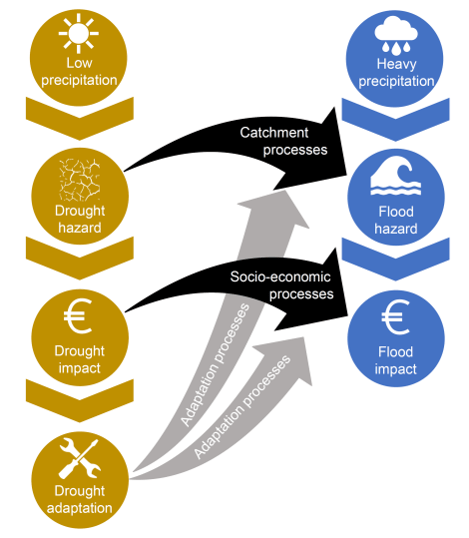
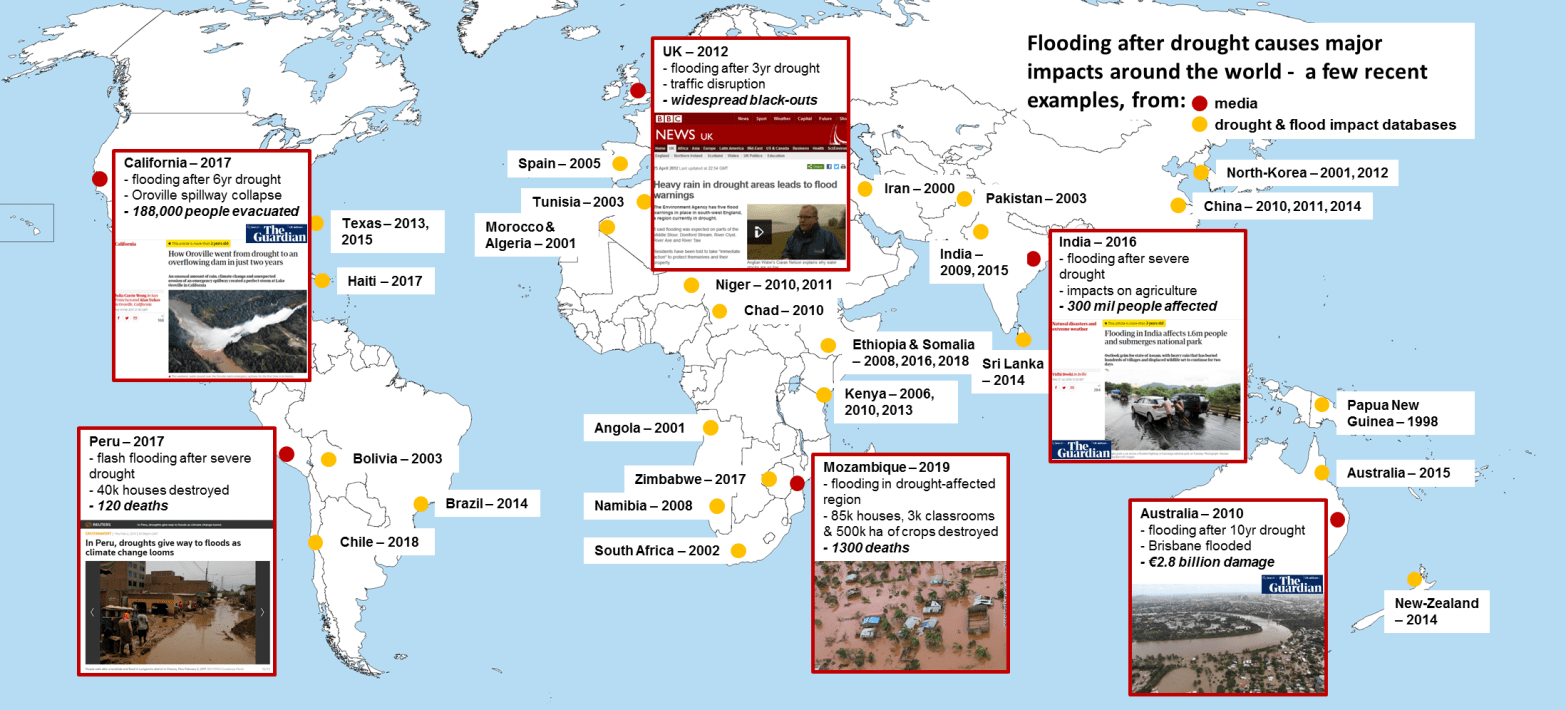
In this collaborative paper, we present a review of the hydrological, socio-economic and adaptation processes underlying drought-to-flood interactions and dynamics. Based on an analysis of literature and a global assessment of historic cases, we show how drought can affect flood risk and assess under which circumstances drought-to-flood interactions can lead to increased or decreased risk.
A review of the hydrological, socio-economic and adaptation processes underlying drought-to-flood interactions and dynamics. Barendrecht et al. (2023).
We find that runoff processes and storage processes can both play a role in either reducing or increasing flooding during or after a drought event. Further research is needed on when and where specific processes are dominant and especially on how this may be influenced by human interventions.
There is less evidence on the socio-economic processes that underlie drought-to-flood events, but changes in vulnerability seem to be an important factor in exacerbating impacts of drought-to-flood events compared to single drought or flood events.
We find many examples of adaptation, but there is not much evidence on when and where certain adaptation actions are taken during a drought and how this influences a subsequent flood event.
Generally, we find that there is a need for more research on the interactions and dynamics that underlie drought-to-flood events.
23 February – We held a partners’ meeting with organizations from Kenya and Peru to share fieldwork and research updates. The sessions helped us shape future research, and ground our analysis with what matters to our local partners.
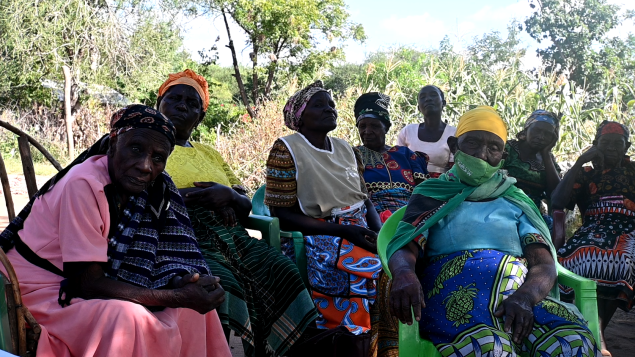
In Kenya, we focus on unpacking the long-term experiences of agro-pastoralist communities. Specifically with how their adaptation strategies have changed over time as response to changing drought and flood dynamics.
In Peru, we see different nature of uncertainties on drought and flood dynamics, and how riverine communities continue to diversify their ways of living with the river (i.e., housing choices, livelihood activities).
5 March – We also held a scientific session with other universities, and partner researchers from Kenya and Peru. Our discussions centered around refining our research methods, and reflecting on problem framing we use to tell the story.
Both sessions help us ensure that our research work can find resonance with our case study areas, and with our local partners. We also see pathways for improving our science communication plans (i.e., thinking about several formats that can be usable by partners, communities).
Time to share, connect, and look forward! 23 February – We held a partners' meeting with organizations from Kenya and Peru to share fieldwork and research updates. The sessions helped us shape future research, and ground our analysis with what matters to our local partners. pic.twitter.com/I0A5f63tyL
Researcher Exploring storylines of drought-flood events via data visualisation and art-science (f/m/x)
Do you have experience with data visualization and creative methods? Are you interested in bringing together qualitative and quantitative data on drought-to-flood events around the world? Please apply for this postdoc position at Vrije Universiteit Amsterdam (VU).
Cascading events like floods after droughts are complex hydrosocial disasters that are expected to increase in the future. In the EU-funded PerfectSTORM project (‘STOrylines of futuRe extreMes’), a team of scientists is studying the hydrosocial processes behind drought-to-flood events to provide the understanding needed to prevent major disasters in the future. We are using a mixed-methods approach and are collecting qualitative and quantitative storylines of past drought-to-flood risk in case studies (Peru and Kenya) and at the global level. These storylines will be combined and used in interactive storytelling workshops with stakeholders and communities to imagine different futures.
We are now searching for a postdoc with a data visualisation and art-science background to join our team. The postdoc will combine and visualise our qualitative and quantitative storylines of drought-to-flood events, which are based on rich interview material and system-dynamics modelling in Kenya and Peru, and an analysis of hydroclimatic extremes and document analysis on the global scale. The postdoc will develop an interactive website and other (digital and hard copy) versions of the storylines, so that they can be used in the workshops. They will do this together with the PhDs working on the project and with external partners, who can support video-editing and website development.
We envision this to be a great opportunity for those who are interested in exploring the use of creative methods in data and water science. We also offer opportunities to further develop skills in outreach to scientific and non-scientific audiences and in project management and organisation.
Your duties
Combine quantitative and qualitative data into storylines of drought-flood events
Visualise these storylines on an interactive website and in other (digital and hard copy) forms
Explore creative methods and art-science
Write and contribute to scientific papers and other dissemination activities
Work with the team members and project partners, and support the PhDs
Support the project administration and management
Requirements
a PhD degree:
in geography, earth or environmental science, with a strong data visualisation expertise and interest in creative methods; or
in computer science on data science, with expertise and/or interest in interdisciplinary water science and art; or
in science communication or art & science, with expertise and/or interest in interdisciplinary water science and data visualisation.
experience with data visualisation and with combining quantitative and qualitative data
programming skills (in R or Python) or GIS skills
experience (or demonstrable interest) in website development and content editing and/or working with partners who can support this
experience (or demonstrable interest) in using art or developing/using creative tools to explore data and communicate scientific knowledge
experience in scientific publishing, exemplified by relevant and good quality peer-reviewed publications
good collaboration and communication skills to work in a larger multidisciplinary team and with international partners
Note: we are always looking for people who can enrich our institute with unique perspectives and experiences. We actively encourage you to apply if you are from an underrepresented group in academia. We welcome applicants from a wide variety of backgrounds (including gender, LGBTQIA+, ethnicity, culture, ability, neurodiversity and minority identities), which we acknowledge enhances the quality of our research and education. Since women and other minoritized groups tend to refrain from applying when they do not tick all the boxes, we encourage you to apply even if you do not feel that you have all of the requirements listed above.
Please find more information and how to apply on the VU website. The deadline is 10 January 2024. We strongly encourage applications from under-represented groups to increase the diversity of our team.
Frequently Asked Questions:
What documents are needed for the application? CV & motivation letter. We expect many application for this position, so please indicate clearly in your motivation letter why you are the best candidate for the position.
What is the expected starting date for the position? 1 March 2024.
Who is eligible for this position? The position is open to anyone around the world.
Do I need to have a PhD degree for this position? No, the position is also open for researchers / data visualisation experts / science-artists without a PhD. It is important that you can work independently and are familiar with the scientific process so that you can support researchers. If this is the case for you, please indicate clearly in your motivation letter how your expertise fits the criteria.
What does the hiring process look like? When are the job interviews? We are planning a 3-stage process. First, we will do shortlisting based on motivation letter and CV. Second, we will ask selected candidates to develop a data visualisation / artistic product based on material we provide. And third, we will do job interviews with a sub-selection of candidates.
Will the postdoc be involved in teaching? Dependent on their expertise and interest, and the time available, the postdoc can be involved in teaching. This can be in the form of supervising BSc & MSc students, supporting computer / field practicals or giving lectures.
EL CAMINO Yo camino, camino, hasta el final Hay un final? O sequiré caminando, sin fin Pero no me estoy quejando, quiero caminando Porque puedo ver muchas calles, muchas caras Porque puedo sentir muchas emociones Esos que no puedo sentir si cierro los ojos, mis sentidos Esos que no puedo sentir si me quedo dentro En estos días, camino sobre las aguas Sin miedos, solo un corazón para un mañana igual
THE WALK I walk, walk, until the end Is there an end? Or I will continue walking, without end But I’m not complaining, I want to walk Because I can see many streets, many faces Because I can feel many emotions Those that I cannot feel if I close my eyes, my senses Those that I can’t feel if I stay inside These days, I walk on waters Without fear, just a heart for an equal tomorrow
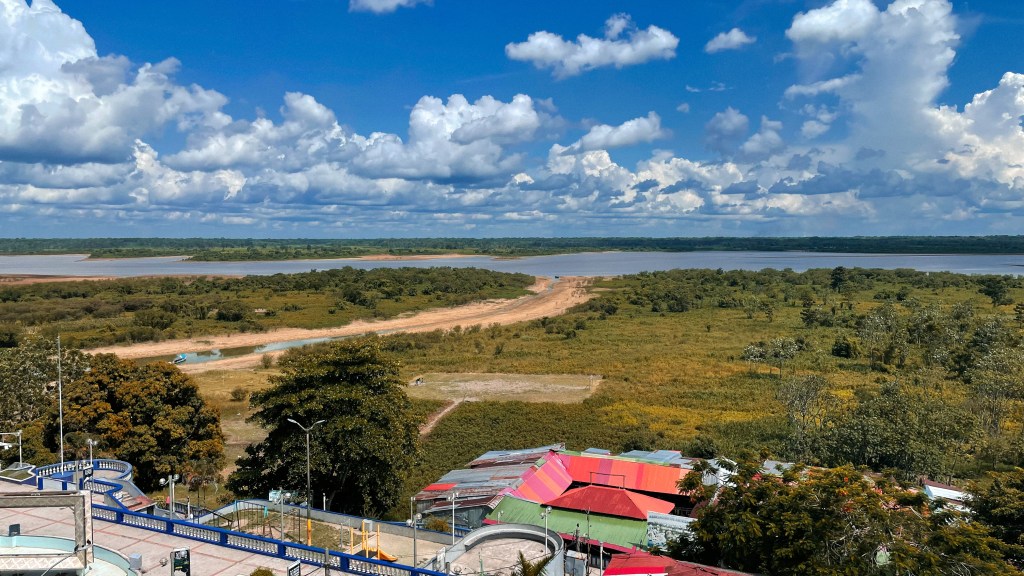
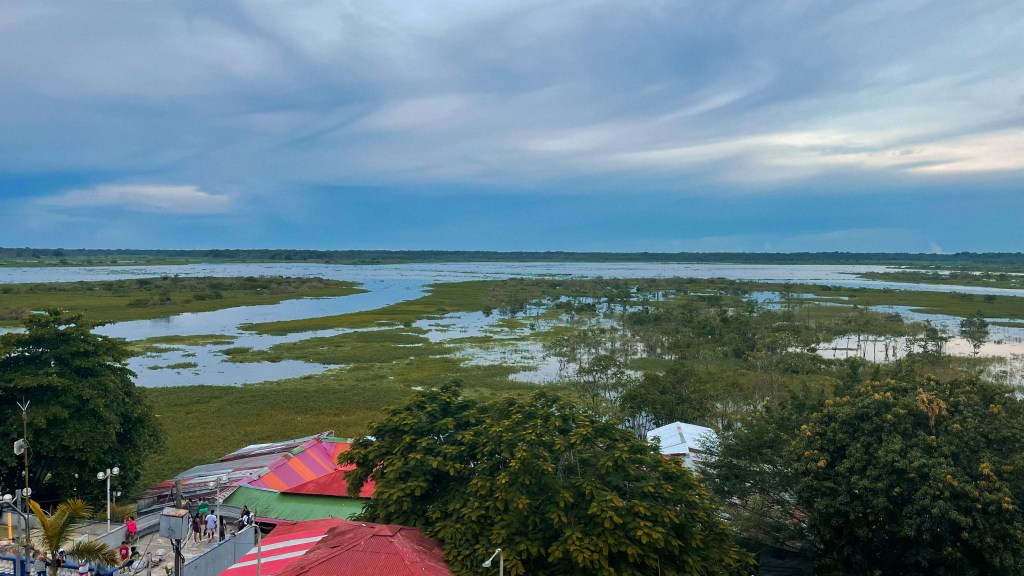
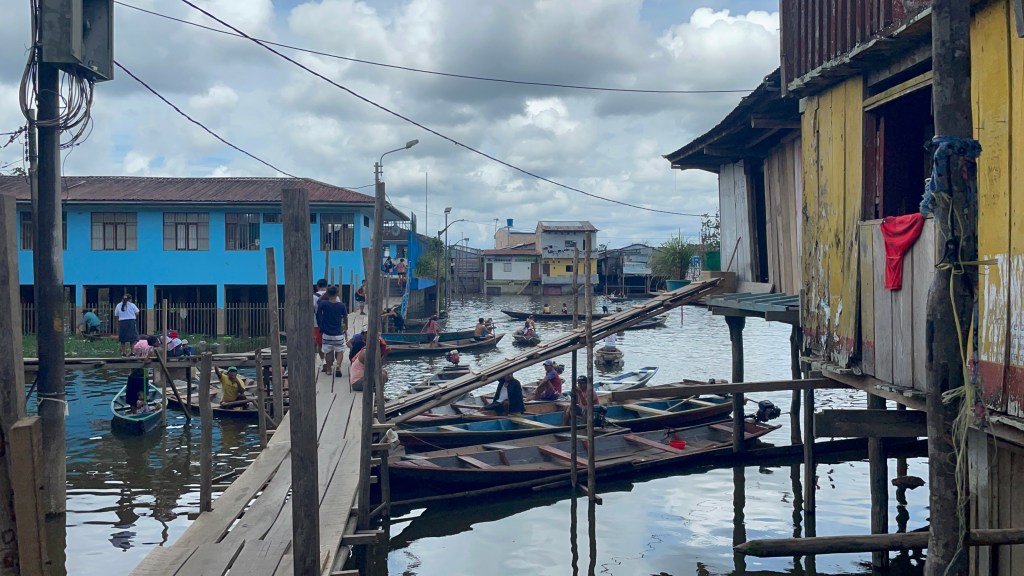
(Top-Bottom) 1) November 2022 – view of Itaya river during vaciante (dry season) taken from Plaza de Armas, Iquitos City, Perú; 2) April 2023 – view of Itaya river during creciente (wet season) taken from Plaza de Armas, Iquitos City, Perú; and 3) April 2023 – lower Belén, a community along Itaya river.
Where do I begin? I guess it is best to begin with introducing myself and the general idea of my PhD. I am a social scientist from Philippines with an interdisciplinary background, mostly along the disciplines of development studies, environmental science, and communication. In general, my PhD explores the themes of drought-to-flood adaptation, governance, and anticipation by using narratives and futures methods. And I explore these themes in my case study areas in several riverine communities in Iquitos, Perú. It is important to say that these riverine communities experience annual dry-wet cycles (vaciante-creciente), as normal fluctuations of the river. For this story, I will take you to some communities in Belén, where the communities experience the annual dry-wet cycles of Itaya River.
I was in Belén in November 2022 for a short scoping fieldwork, and I returned this April 2023 for a two-month fieldwork. The fieldwork schedules were also perfectly timed, because I was able to talk to people and the see the communities both in the dry and wet season. Having this experience and encounter with my case study can help me unpack the stories of the community members I spoke with.
I went to San Francisco and Sachachorro, Belén to do my storytelling sessions, and surveys. This is the heart of my PhD – the brief moments when I am able to put my guard down, set aside the academic pressure to theorize, and listen with the intent to listen. During our storytelling sessions, we talked about their daily lives including stories of daily activities how they access potable water, and social services (i.e., education, health, information). We also talked about their different sources of income (i.e., fishing, agriculture), and how their usual days can be affected by sudden or extreme drought or flood.
Their stories took off from this point, where they also started talking about specific drought and flood events. Their stories covered aspects of being surprised with sudden extreme flooding, and how they did not have memories of such events in the past. Hence, most of them were caught unprepared, and just had to deal with the flood as it happened.
We always ended the storytelling with an imagination session where we ask them what stories they might tell their children to in the next five or ten years. This ending did not always give hopeful stories of the future, but if we truly want to use science and our understanding as a means to help communities, it is inevitable and necessary to listen to stories of pain, loss, and injustice. It is only by then that our understanding can be challenged, and perhaps by then we can also start asking critical questions that challenge existing assumptions or biases.
At the end of my fieldwork, we had almost fourty storytelling sessions in these communities. Each story is different, because each storyteller experienced the “same” drought-to-flood differently.
I started my fieldwork by writing the poem El Camino (The Walk) as a reminder to myself that I have to do this PhD with all my senses open, unafraid, because the storytellers I met deserve a just future.
Author: Heidi Mendoza, PhD Candidate at the Institute of Environmental Studies (IVM) at Vrije Universiteit Amsterdam (VU-Amsterdam). Her other ethnographic poems about this fieldwork are accessible through her webiste: WEARENOTDATA
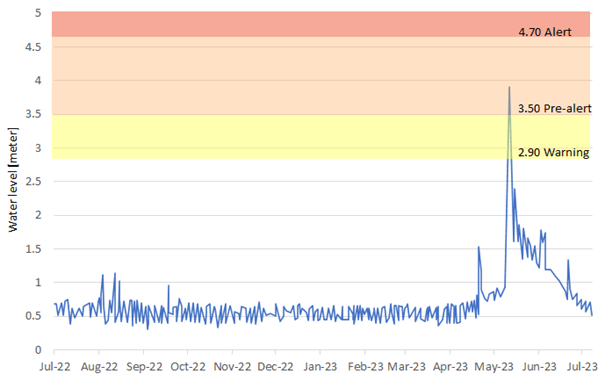
So, are we experiencing a drought or a flood? And what is awaiting us in the coming weeks/months?
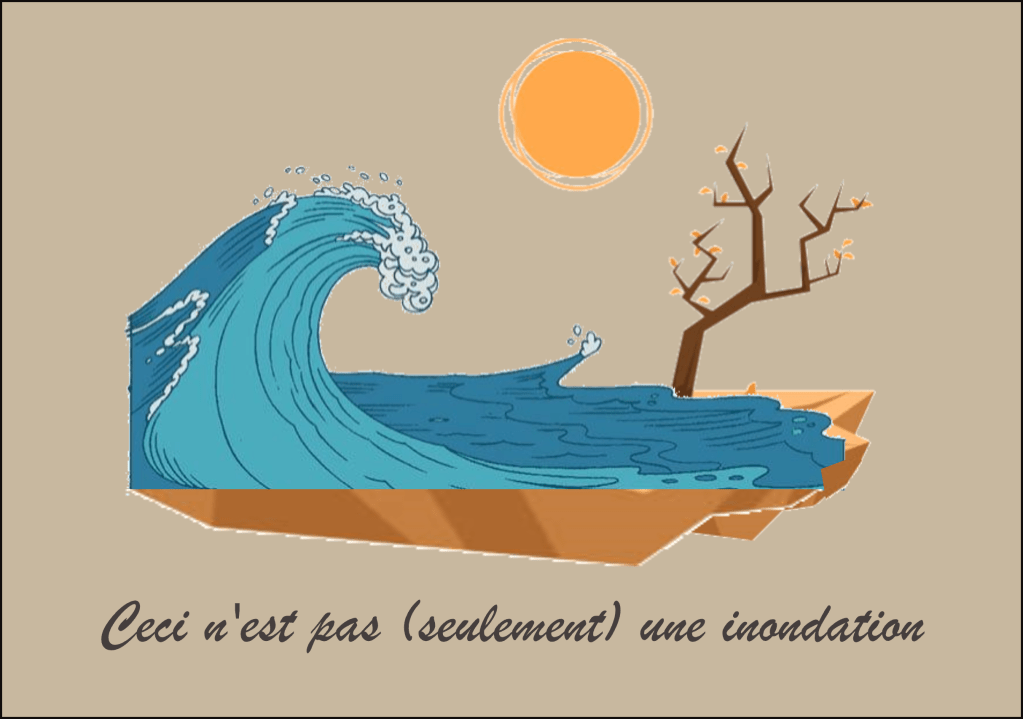
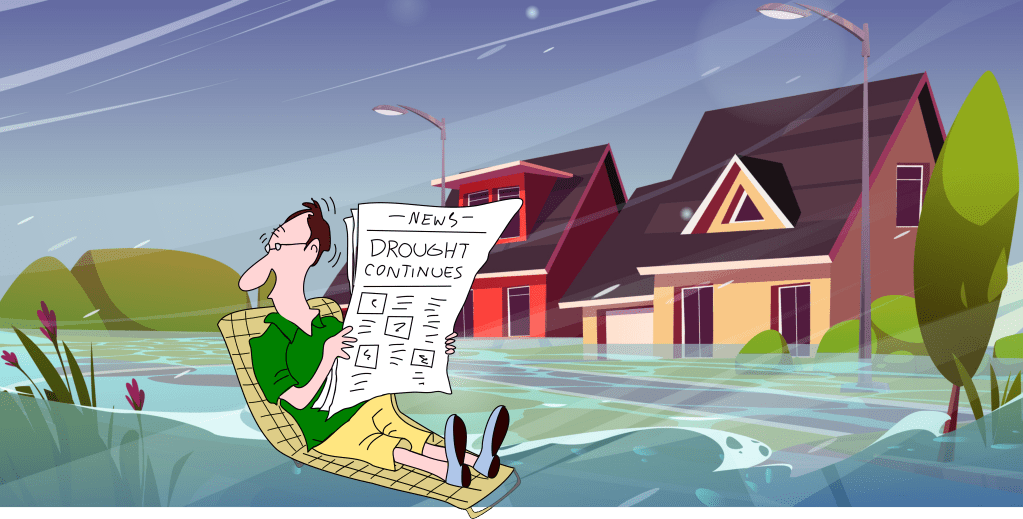
Flood can happen during a drought, and, in some cases, the drought continues even after the flood. Image modified from Dave Carpenter Cartoon, available at http://www.CartoonStock.com, under Non-Commercial Web/ Publication license
In a warming climate, both floods and droughts are likely to intensify (i.e., increasing in their duration, frequency, and severity). This can increase the likelihood of rapid shifts or overlap between these opposite hydrological extremes.
The recent flood events in Italy, Spain, UK, and Turkey this year may fall into the same category. Despite the occurrence of flash and riverine floods, the Po river level has now returned to low levels, likely due to depleted groundwater storage and little residual snow for this time of the year. Similarly Spain, UK, and Turkey are back to alarming drought conditions.
Heavy precipitation can help in the short term, but droughts are long, persistent, and slow processes.
But what are the lessons learned from the past that we need to take into account for the coming weeks and months ahead?
Past drought-flood events offer three lessons learned for a more resilient future of water resources management in a warming world:
(1) Drought and flood events need to be managed in an integrated way, rather than as separate hazards. In this persistent drought conditions gripping Europe, it is hence crucial to prepare also for floods by developing early warning systems that look at these two events with a unified perspective (see a new call for papers on multi-hazard EWS). The unprecedented heatwave currently grappling southern Europe is not only exacerbating drought conditions but also leading to an increase in water vapor in the air, which has high probability to come down as a deluge at some point.
(2) We need a deeper scientific understanding of these rapid transitions from droughts to floods (and vice versa, see the PerfectSTORM project): under what conditions do droughts exacerbate the impacts of floods? Can floods facilitate the onset of droughts? Are such transitions increasing in frequency and extent? Although the hydrological system can recover after heavy rainfall, the impacts of drought can persist and compound with the occurrence of floods. Thus, the interactions between drought and flood are complex, affecting both the hydrological and societal systems and remain until now poorly understood.
(3) Finally, these events open a window of opportunity for the hydrologic community to engage with stakeholders and policy makers to elaborate adaptation strategies that can build resilience in the wake of such cascading processes. Luckily, the International Association of Hydrological Sciences (IAHS) is launching a new decade called HELPING – Hydrology Engaging Local People IN one Global world. This initiative includes working groups on droughts and on floods that could be a perfect venue to build such resilience, bridging the gaps between scientists and practitioners, and between drought and flood science. Are you in?
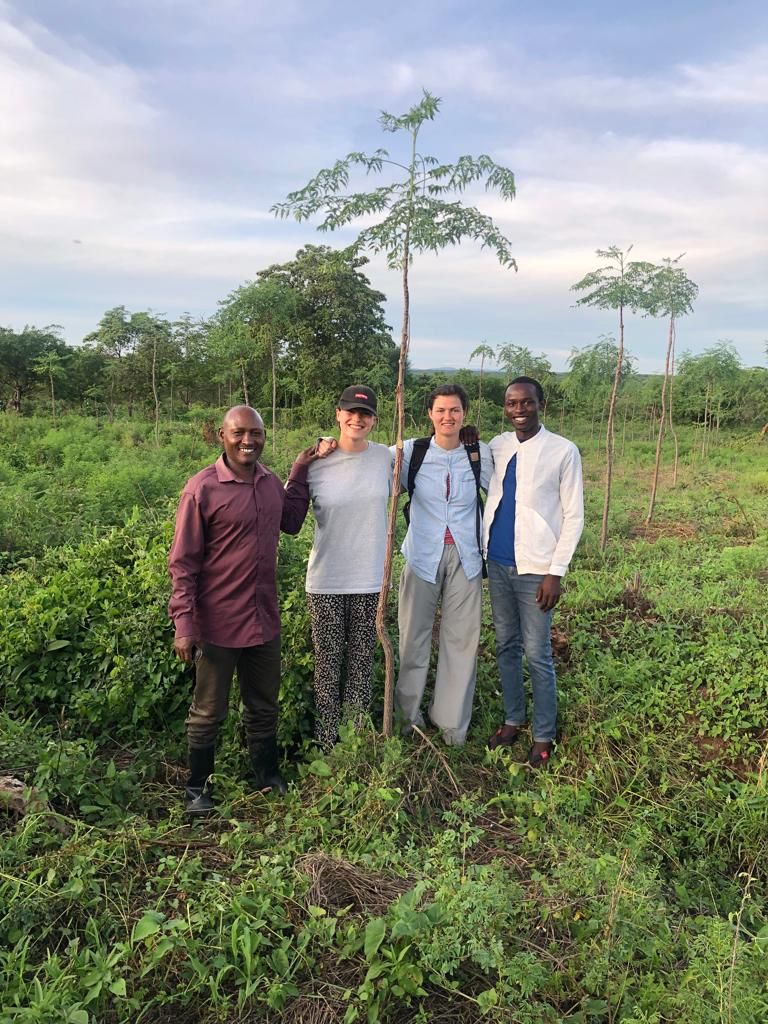
We are two students, Julia van Haaster and Marijke van Benschop, doing fieldwork research in Kenya for our master thesis as part of the Environment & Resource Management master’s at the VU Amsterdam. In the past month we collaborated with Africa Wood Grow, a Dutch-Kenyan NGO providing afforestation in the region of Kitui, Kenya. Here, we talked to many affiliated farmers about their experiences with creating agroforestry plots on their lands together with AWG. Julia researches the improvements in livelihood resilience these agroforestry projects could foster by interviewing farmers. Marijke investigates the potential hydrological effects of planting trees such as improved water retention, absorption and infiltration. She does so by interviewing farmers and conducting hydrological data on parameters like the infiltration rate, moisture rate and pH rate of different plots.
The fieldwork was not only a very educative experience but also provided a unique view into the life of rural farmers who welcomed us with open arms.
We will be presenting our research at the General Assembly of the European Geosciences Union this week. Don’t miss our talks on drought and floods!
On Tuesday, Marlies Barendrecht will be presenting some of our findings on the case study in Kitui, Kenya in a PICO presentation from 10:45 tot 12:30 at PICO spot 4.
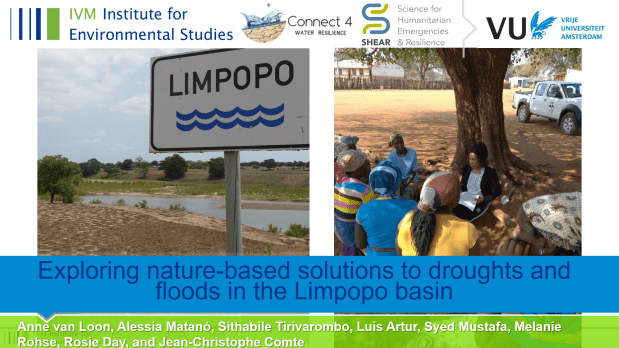
On Wednesday, from 14:10 to 14:20 in Room 1.15/16, Anne van Loon will give a talk about nature based solutions to drought and floods in the Limpopo basin.
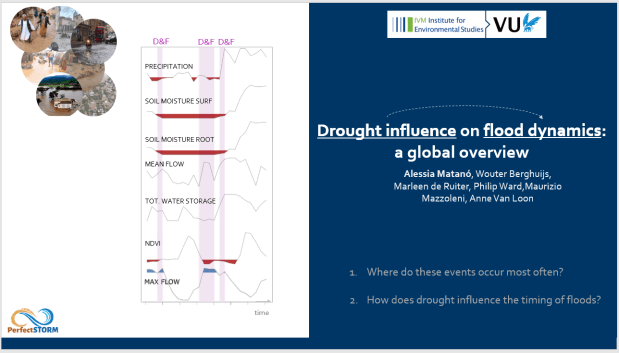
On Thursday, from 17:05 to 17:15 in room B, Alessia Matanó will present her work on how a drought can influence flood dynamics.
If rivers could speak, what stories would they tell? If rivers could speak, how could we best listen to what they want to say?
In November 2022, we visited Iquitos, Peru for scoping fieldwork. In this scoping fieldwork, we wanted to start conversations and ask about how communities experienced previous droughts and floods, more specifically what they did to prepare and to adapt, and how such events impacted their communities. Here, we take you on a journey of what we found and heard during our visit to communities who depend on the Amazon river.
Amazon River
We visited communities from Belén, Punchana, and Tamshiyacu. These areas are three different districts in the Loreto region which is home to families relying on different sources of livelihood, and who rely on the Amazon river for transportation, food, and as a way of life.
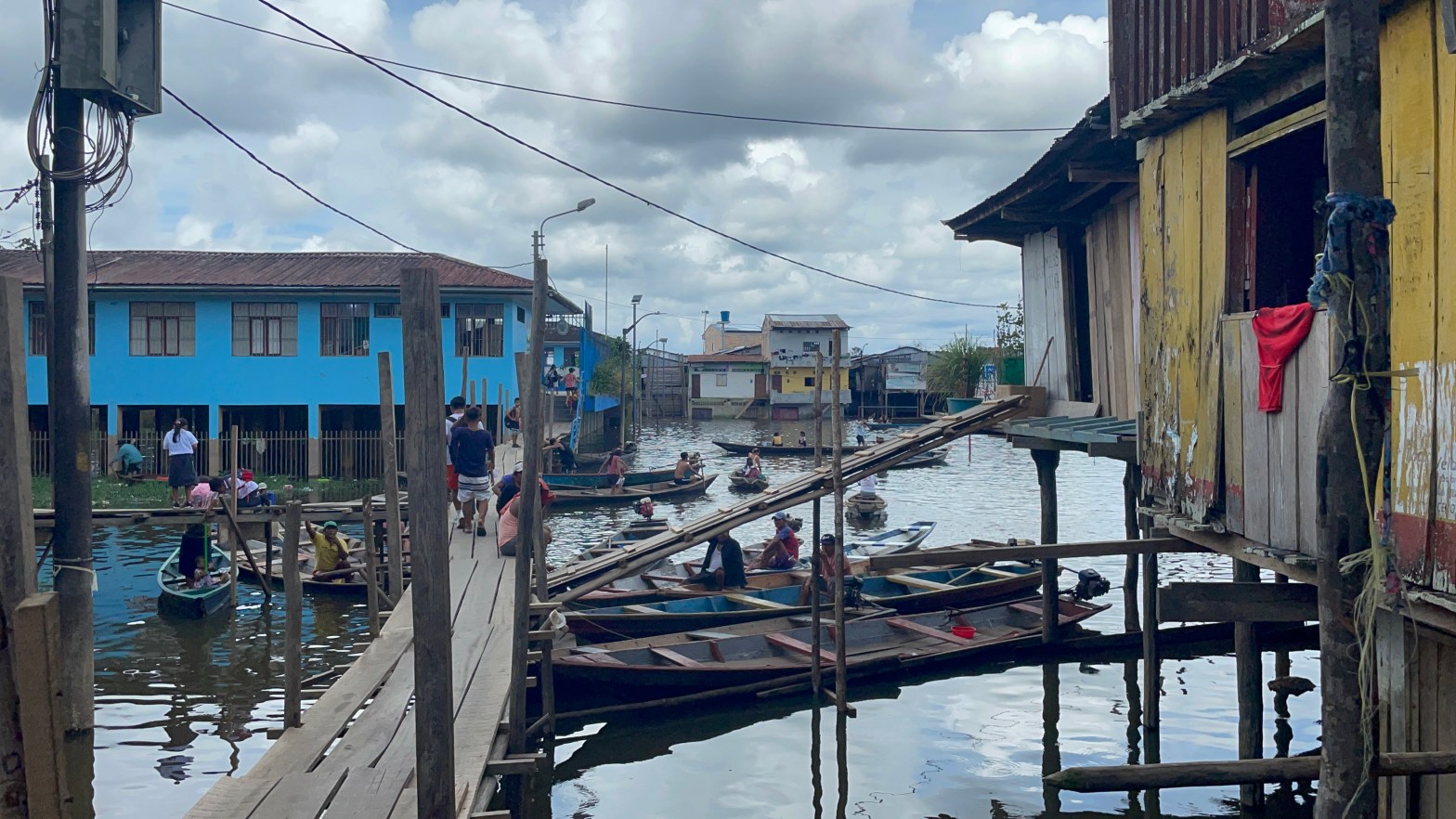
During our transect walk in Belén, representatives from Servicio Nacional de Meteorología e Hidrología del Perú (SENAMHI) (National Meteorology and Hydrology Service of Peru) shared how some flood events can last up to six months. During these months, communities have to use boats to go around, and use schools as evacuation centers. The communities also experienced different issues such as piling up of solid waste, and emergence of diseases like dengue and malaria.
This is an example of floating houses in Belén. Several community members who live closer to the river started building floating houses, so that they don’t need to evacuate nor to keep building taller stilts to protect themselves and their belongings during flood events.
In Punchana, we held a focus group discussion with 11 women representatives who shared their experiences about previous flood and drought events. In 2013, there was a major flood and this prompted the local government to ask communities to relocate to a new area farther from the city. Several community members considered this option, however the proposed relocation area only had minimal access to social services and facilities like schools and clinics. Community members explored other options to augment issues with potable water such as making and using pozos (wells), buying water from containers, and maximizing the three available communal faucets.
In Tamshiyacu, several households earn from agricultural activities such as planting rice along riverbanks, and intercropping of different fruit trees. However, sudden river peaks during the dry season impact the rice areas planted along the riverbanks. The communities are also impacted by the extended dry season. The extended dry season causes increasing cases of forest fires and also impacts the fishing activities.
How do we continue listening
These are only snippets of how the Amazon river has shaped people’s ways of living. As part of the PerfectSTORM project, we are interested to better understand and unpack water-human relationships, especially in the context of living with drought and flood. This April to July, we will continue to listen to communities who have seen the rivers change and who have lived with its extremes. We will also continue to explore ways of listening to the rivers. To do so, the fieldwork will focus on using ethnographic approaches such as storytelling and transect walks to enable stories and narratives to emerge.
Eventually, we hope to share with you what stories the Amazon river might tell, and how living with(out) waters has been like for communities in the area.
If you are interested to helpIf you or someone you know also works in Iquitos, Perú on a similar or related topic, you can send us an email to Heidi Mendoza (h.d.mendoza@vu.nl).
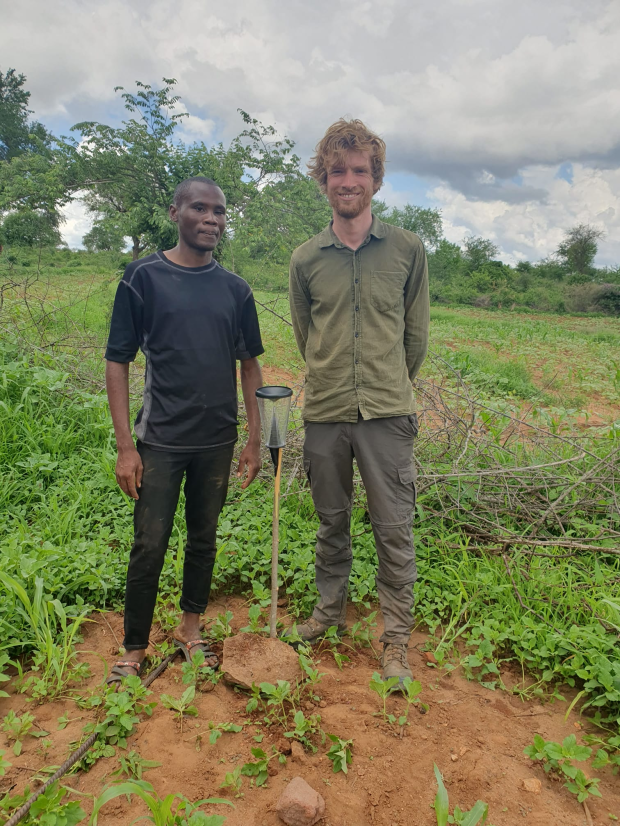
Ruben, one of our PhD researchers, has just finalised his 4-month fieldwork in the Tiva river basin, Kenya! Starting in November 2022, he has studied drought and flood experiences through storytelling and surveying, with over 400 participants. We also established citizen science collaborations to do hydrological measurements. Big thanks to our partners Africa Wood Grow, SASOL, and SEKU for guidance and support. To read more about our work in Kenya, check https://perfect-storm.org/research-case-studies-kenya/
Ruben Weesie with John Nam Timothy, one of our citizen scientists closely monitoring a raingauge
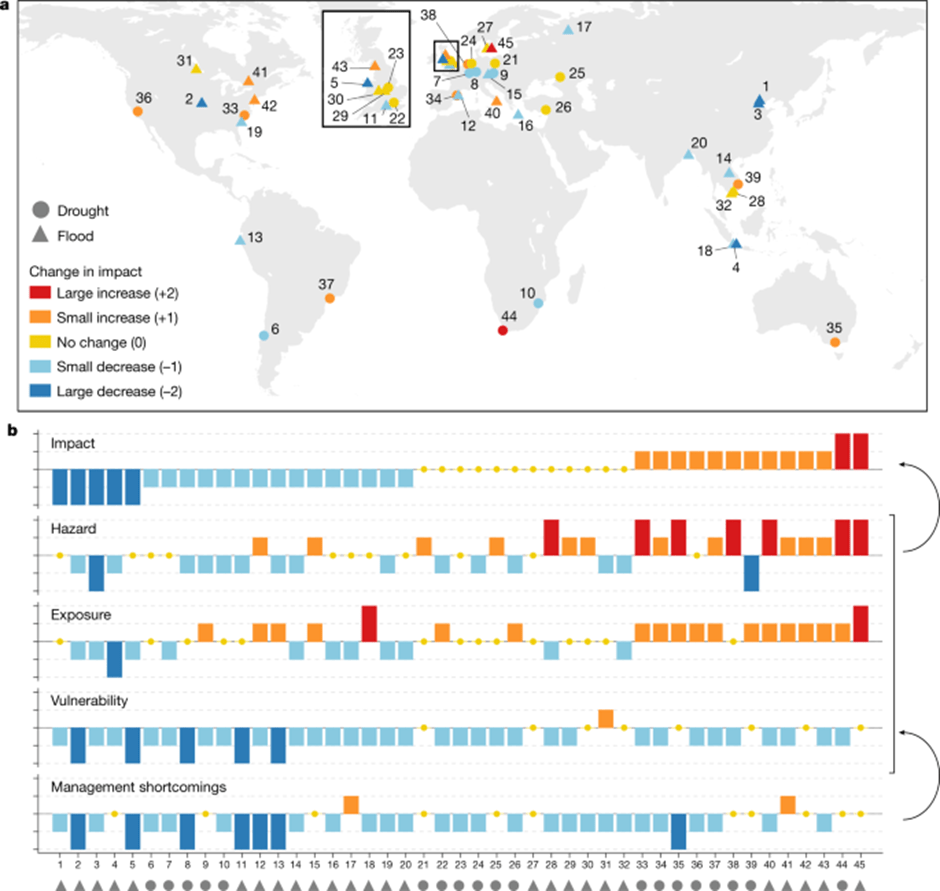
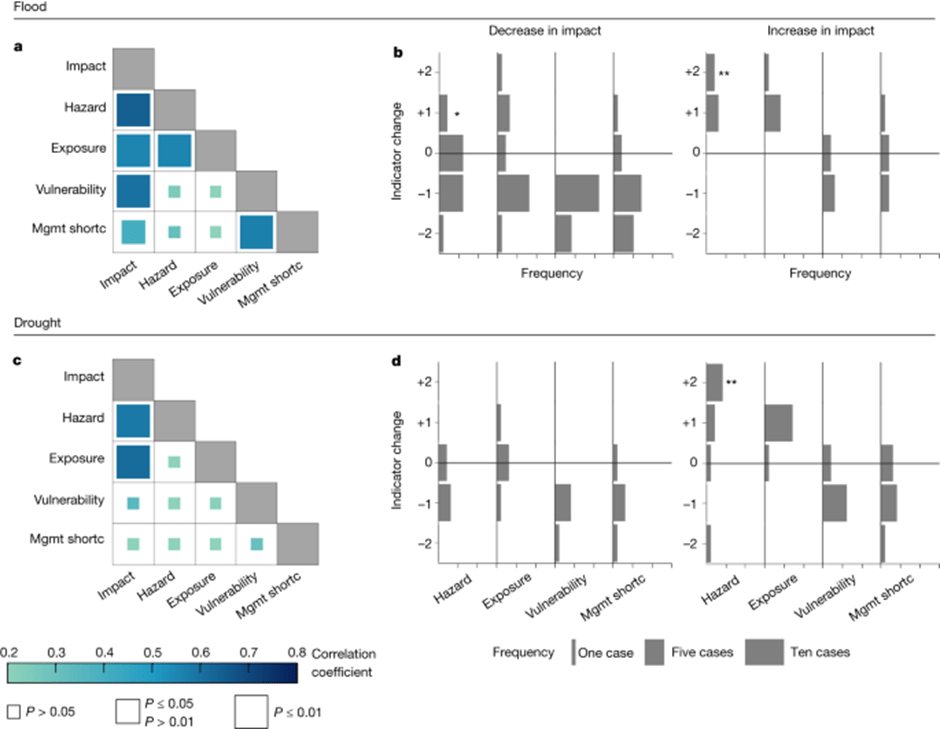
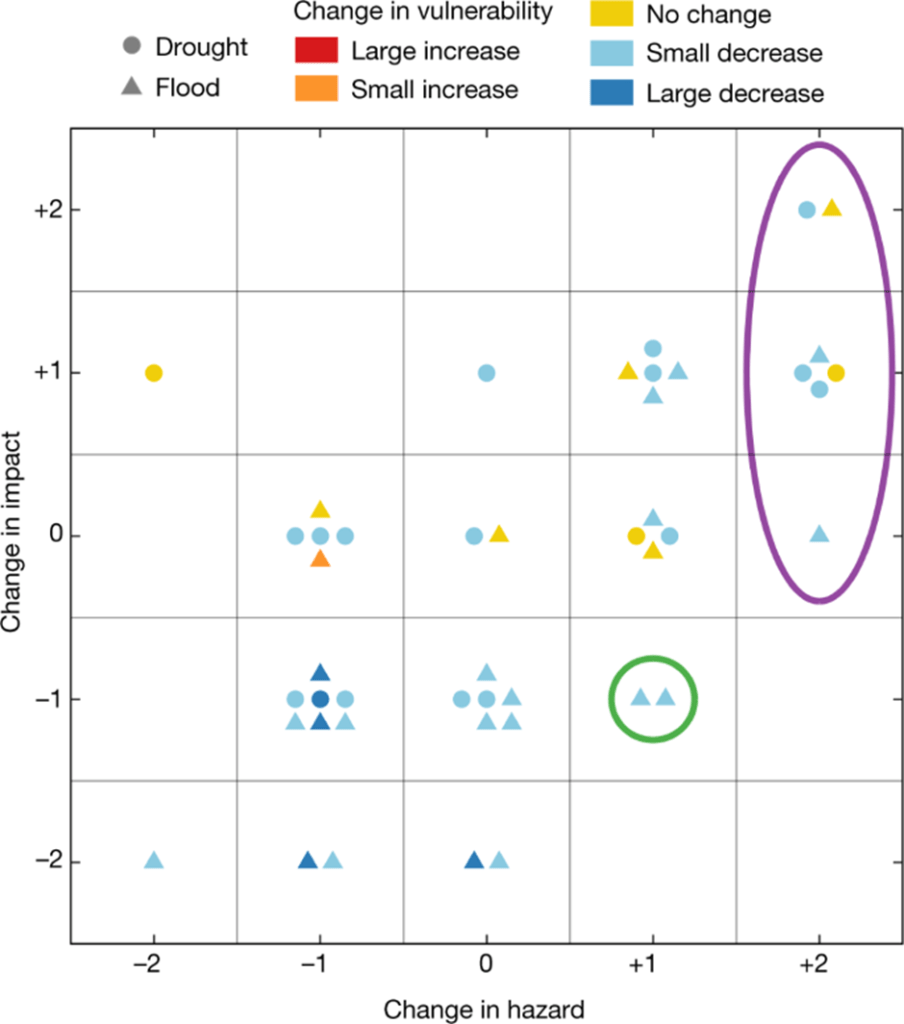
In 80% of cases vulnerability was reduced and in 70% management was improved between events. But still impacts were higher in 30% of cases, due to a combination of more severe hazard & higher exposure. For example, Cape Town, despite improved water demand management, the extreme long & severe drought led to higher impacts.
In 80% of cases vulnerability was reduced, in 70% management was improved between events. Still impacts were higher in 30% of cases, due to higher hazard & exposure. For example Cape Town: despite improved water demand management, the extreme long & severe drought led to higher impacts.
We also found an important difference between #floods and #droughts. Changes in vulnerability have been less successful in reducing drought impact than flood impact. Could be due to underlying and compounding factors and spillover effects of risk management. In one case in the Netherlands for example, increased irrigation to reduce agricultural drought impacts caused increased ecological impacts.
We found important differences between floods & droughts. Drought impacts were less reduced by changes in vulnerability than flood impacts. This could be due to spillover effects, for example increased irrigation to reduce agricultural drought impacts caused increased ecological impacts.
Showing the limits to infrastructure. In unprecedented droughts and floods, reservoirs and levees are insufficient resulting in higher damages because of increased dependence on this infrastructure. Non-structural measures help, but removing all risk is an illusion for severe events. Flexible management strategies and coping measures will be needed.
We found 3 success factors in cases with reduced impacts despite increased hazard: (1) effective governance of risk & emergency management, including transnational collaboration; (2) high investments in structural & non-structural measures; (3) improved early warning & real-time control systems. But, no success stories for drought…




 PerfectSTORM