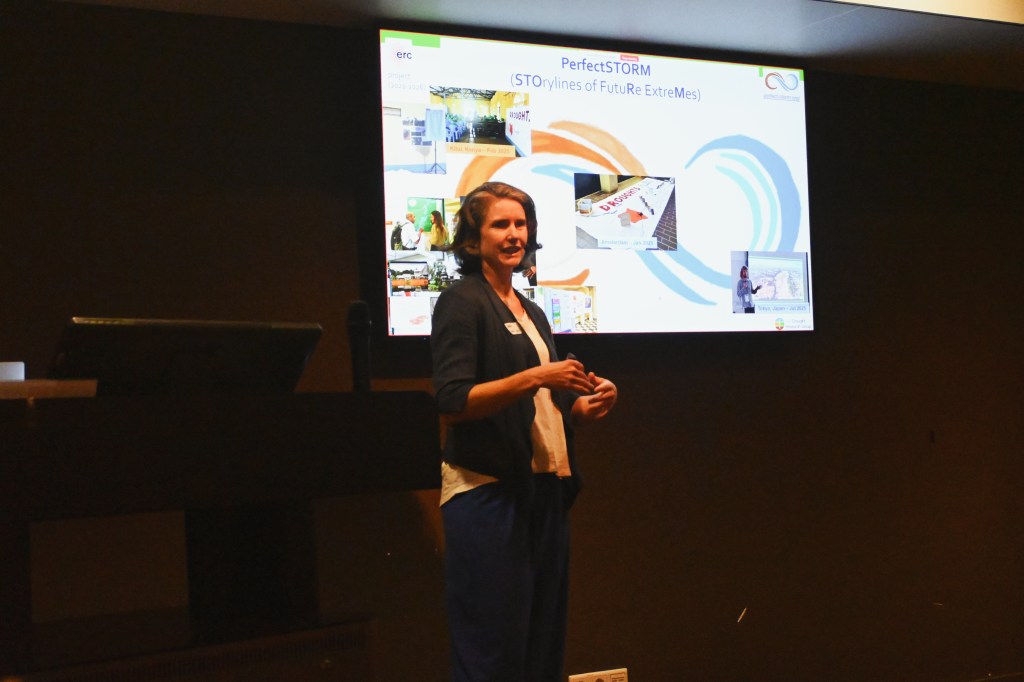
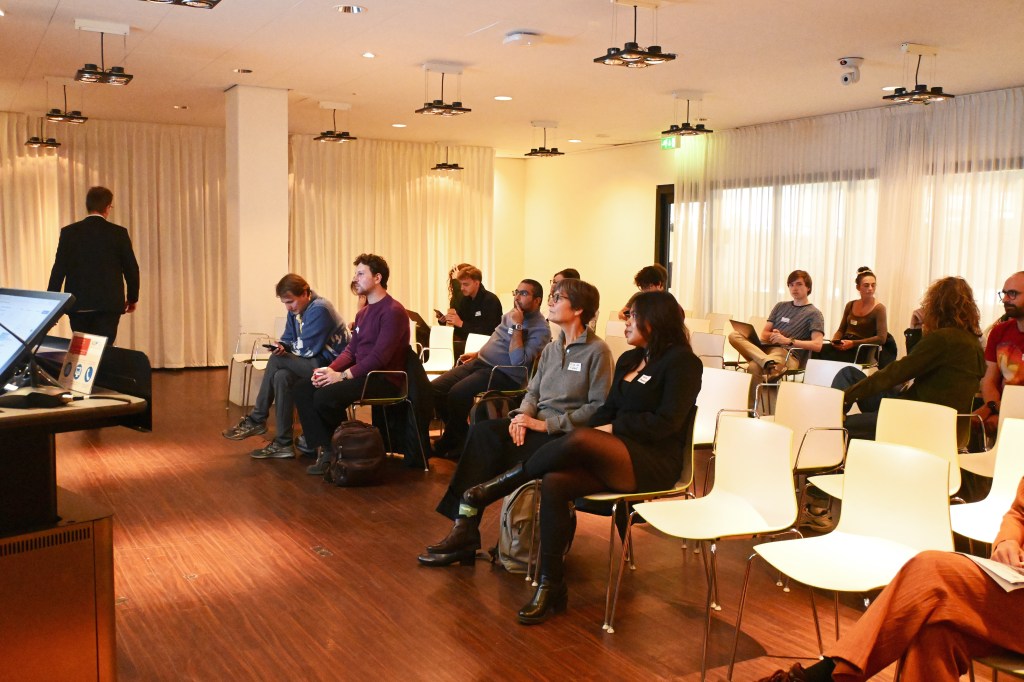
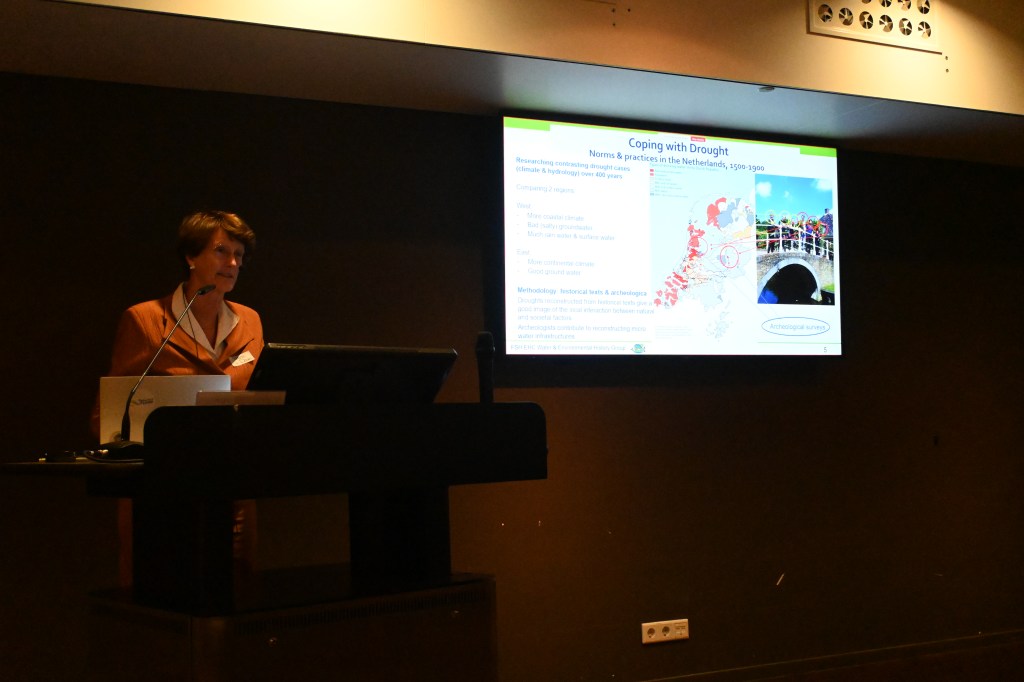
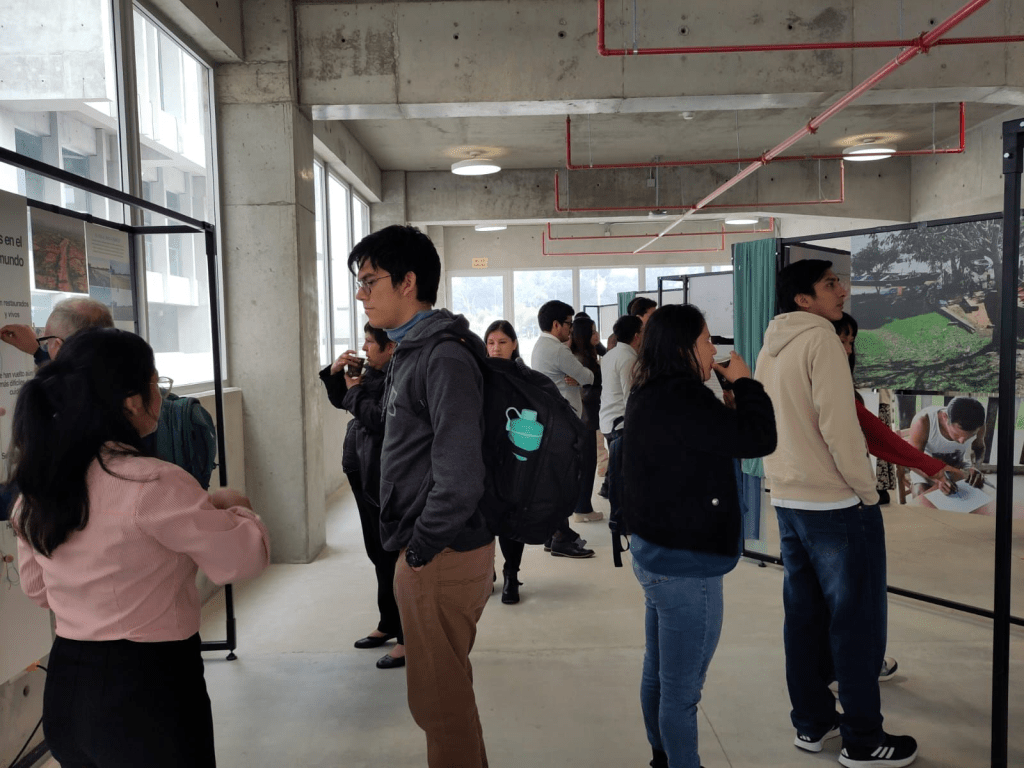
On 30 September, VU Amsterdam – PerfectSTORM and Coping with Drought research groups hosted a symposium that sparked rich conversations on how societies have lived with, understand, and respond to drought.
Plenary talks explored environmental injustices surrounding water access and use during droughts, as well as the historical dimensions shaping how we perceive and manage scarcity. Case studies from the Peruvian Amazon, Kitui County (Kenya), and the Netherlands highlighted both the diversity and interconnectedness of drought experiences across different contexts and cultures.
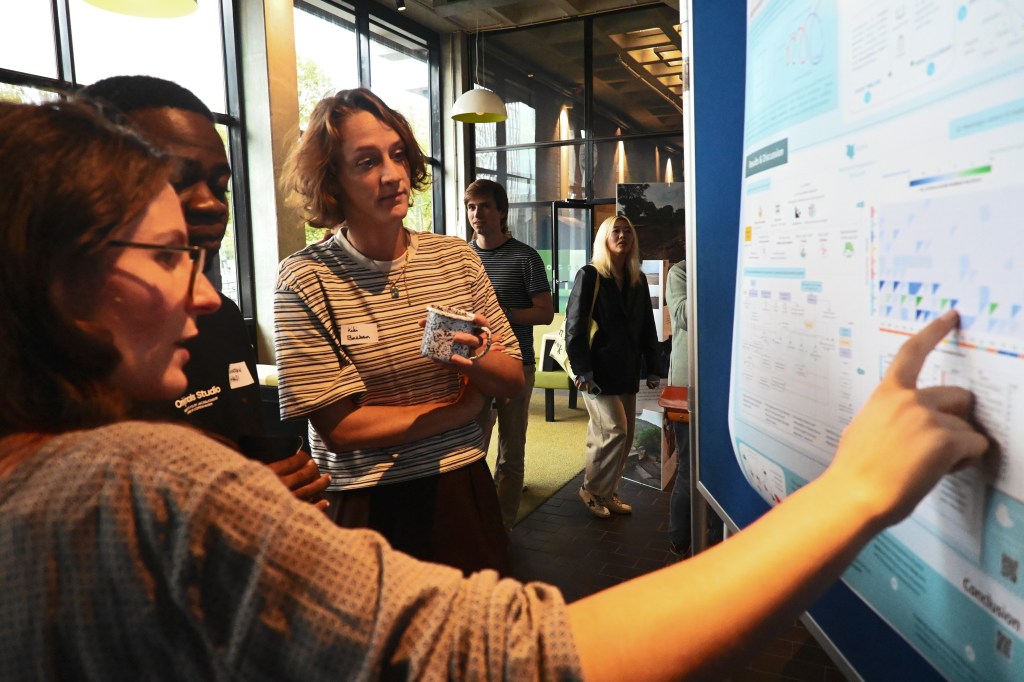
In addition to the plenary sessions, 10 poster presentations offered fresh perspectives on water sources, uses, and governance—revealing the many faces of drought. Topics ranged from early modern Amsterdam’s water geographies, to groundwater drought analysis in Italy, risk perception in Madagascar, soil fertility and water management, institutional innovation for sustainable water transitions and many more. Together, they illustrated the breadth of research and creativity shaping this field.
We were delighted to welcome participants and presenters from across the Netherlands, Belgium, and Germany.
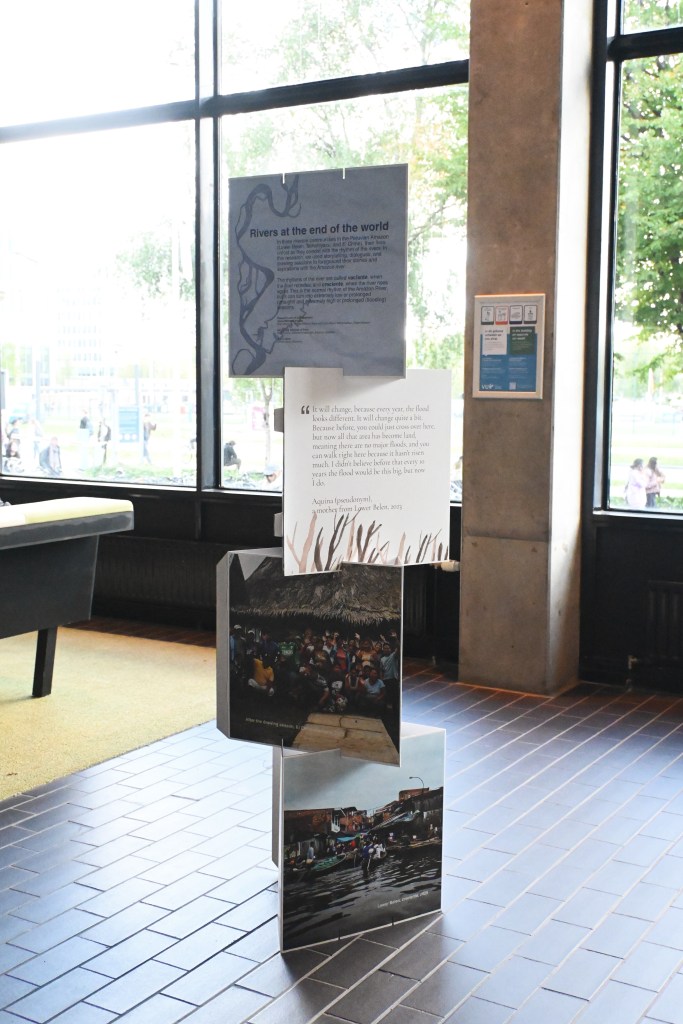
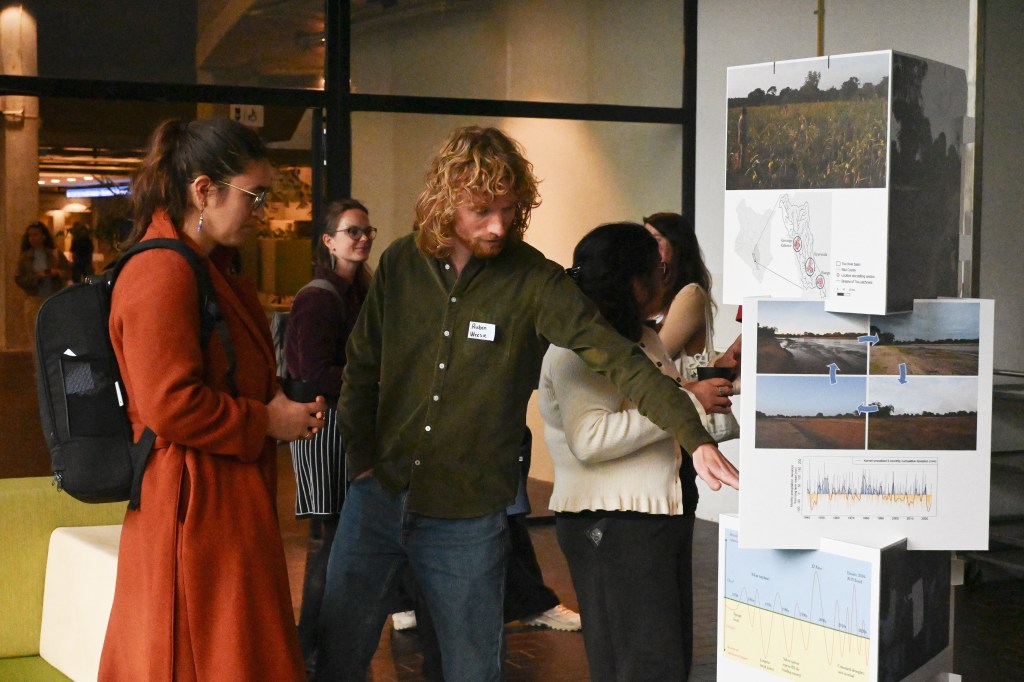
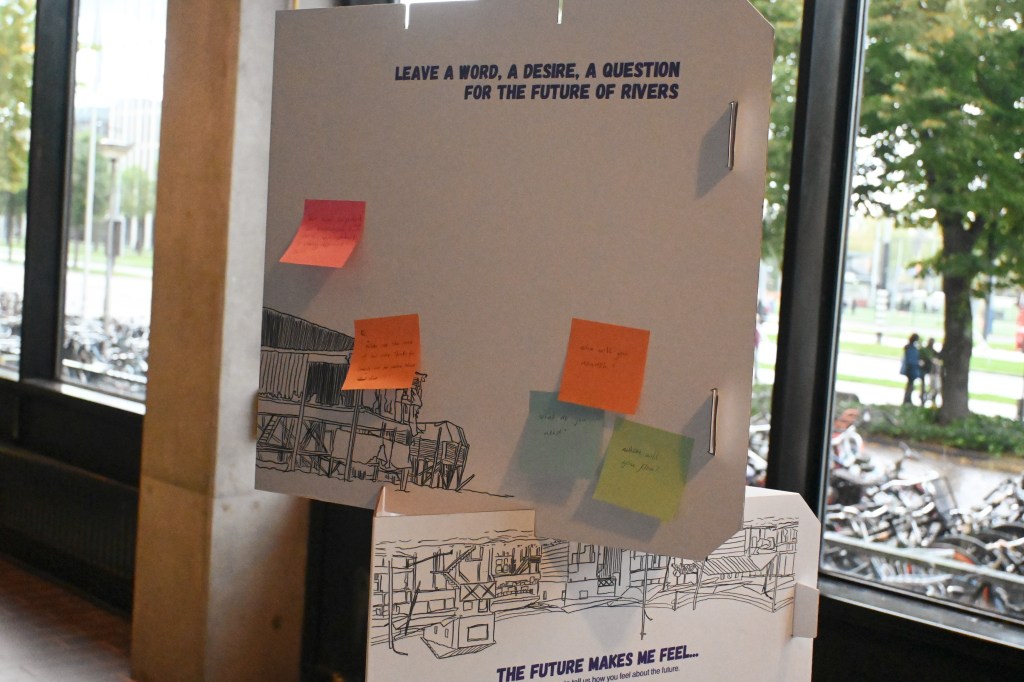
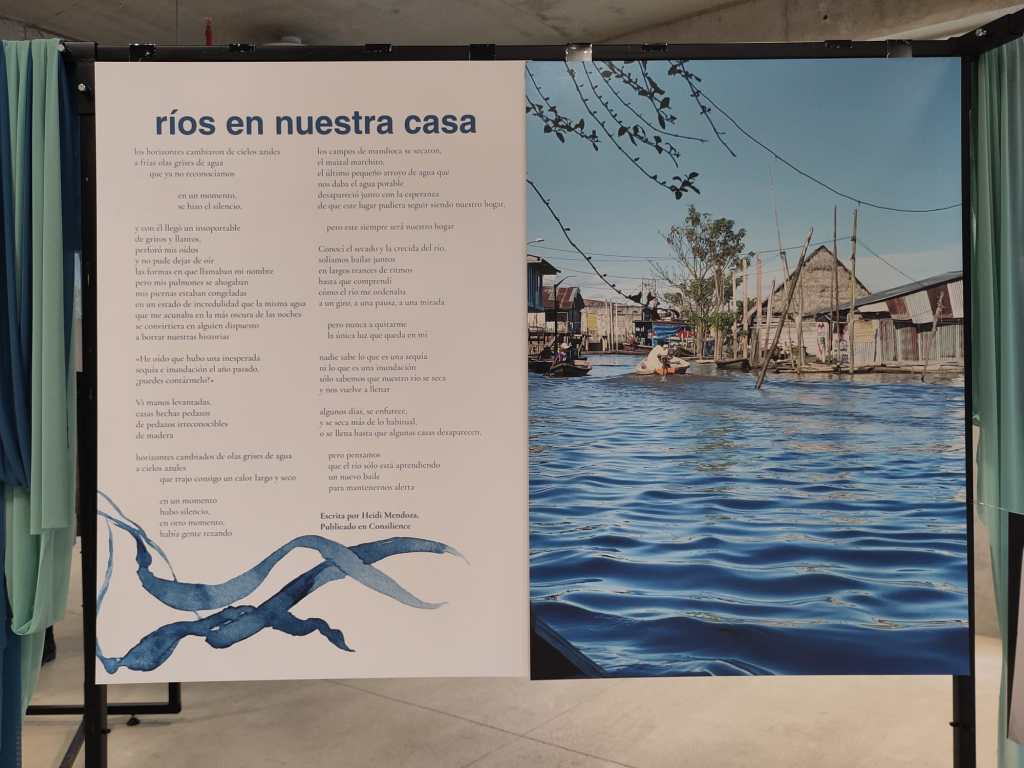
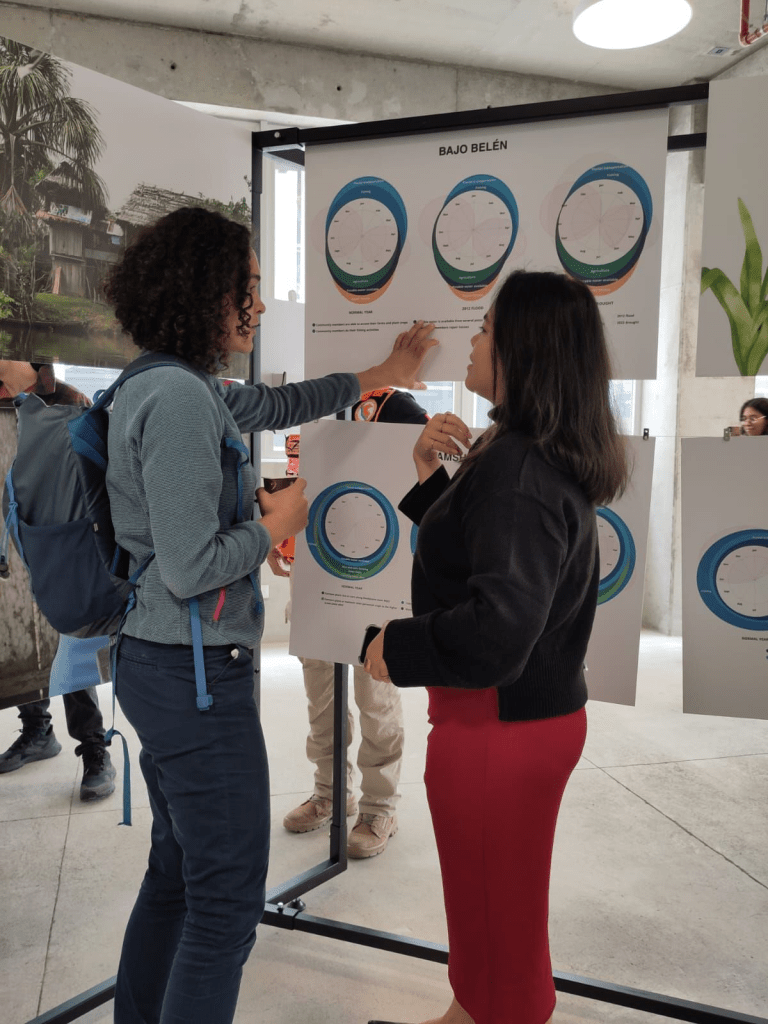
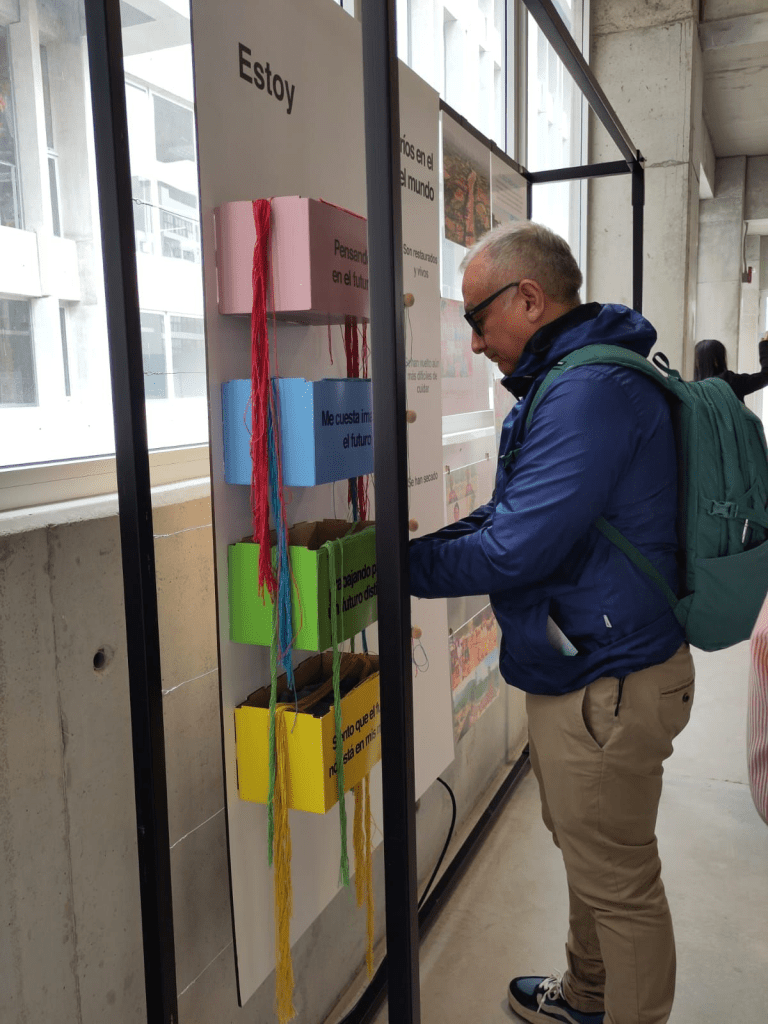
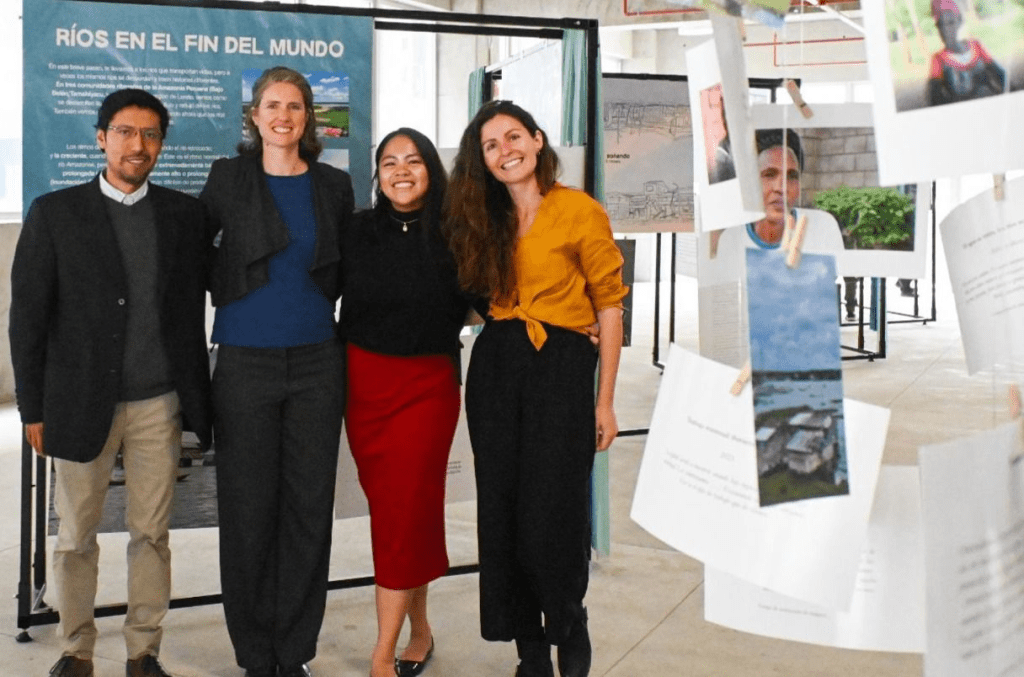
As part of PerfectSTORM’s art–science communication approach, PhD researchers Ruben Weesie, Heidi D. Mendoza, and Alessia Matano opened the exhibition “Rivers, unruly rivers of sand at the end of the world.” The exhibit invites visitors to reflect on their relationship with water and the future, through photography, stories, system dynamics visuals, and an interactive futures corner.
Learn more about the projects: PerfectSTORM Linkedin and Coping with Drought (copingwithdrought.com).
Led by Anne van Loon (IVM) and Petra van Dam (History Department), these initiatives continue to bridge science, history, and society in understanding water extremes.
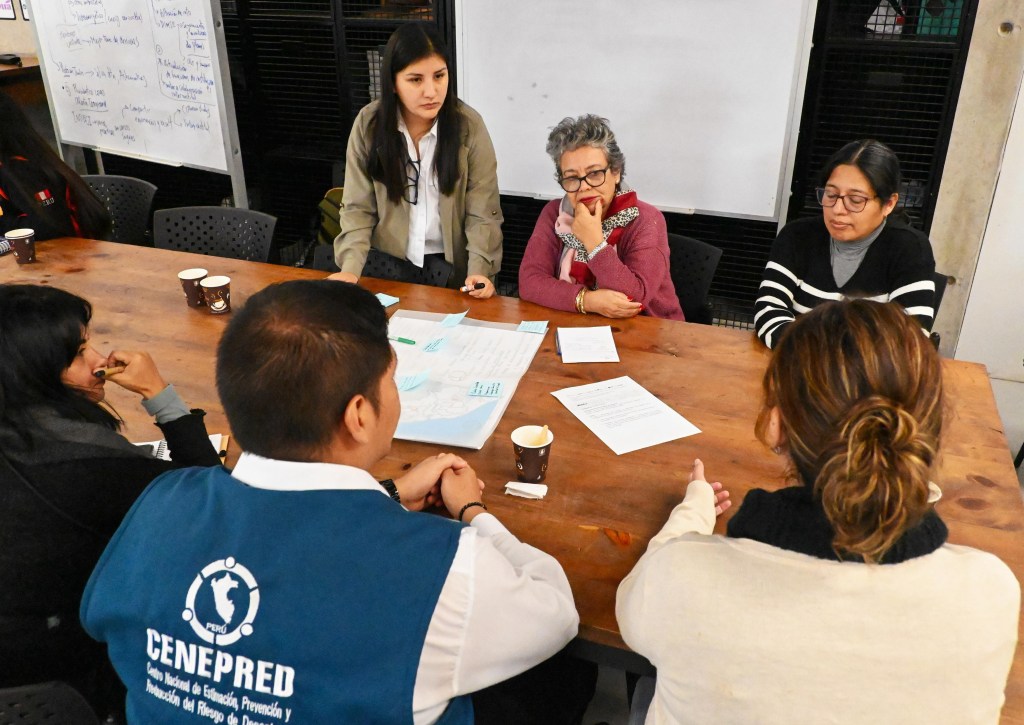
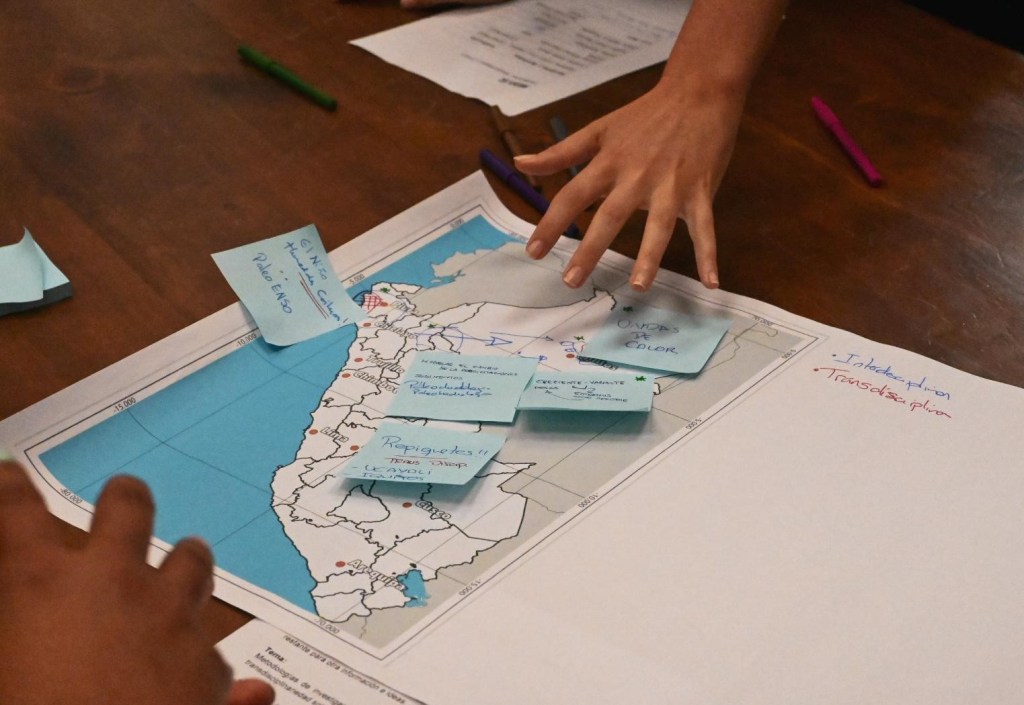
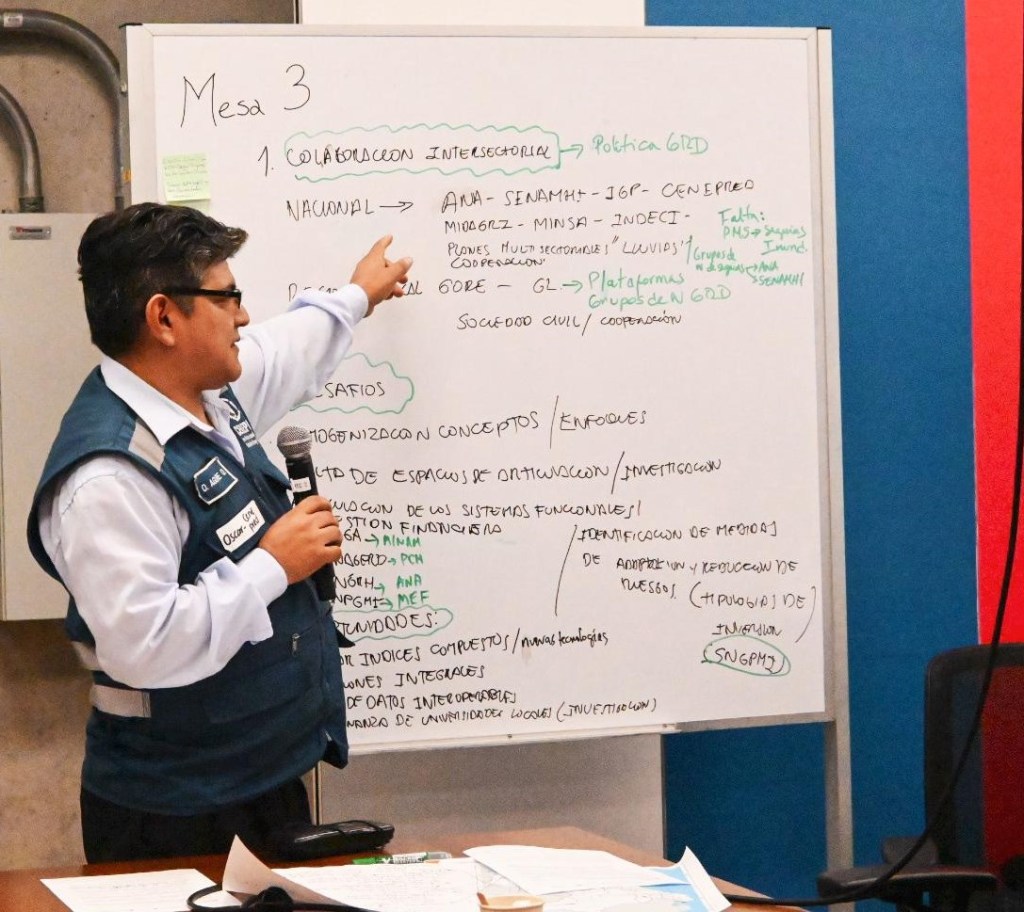
We’re thrilled to share highlights from our hybrid dialogue series held in Lima on May 28–29, where researchers, policymakers, and community members came together to reflect on droughts and floods in Peru. These conversations are part of our research outreach to build connections across sectors and explore the socio-hydrological dynamics shaping the country.
This dialogue series is part of our PerfectSTORM research outreach where we gather stakeholders from different academic institutions, government ministries, and non-government organizations. By sharing research results and engaging in multi-stakeholder dialogues, we hope to inspire new collaborations among the stakeholders who can expand the work on exploring socio-hydrological dynamics and hydro-social entanglements in different parts of the country.
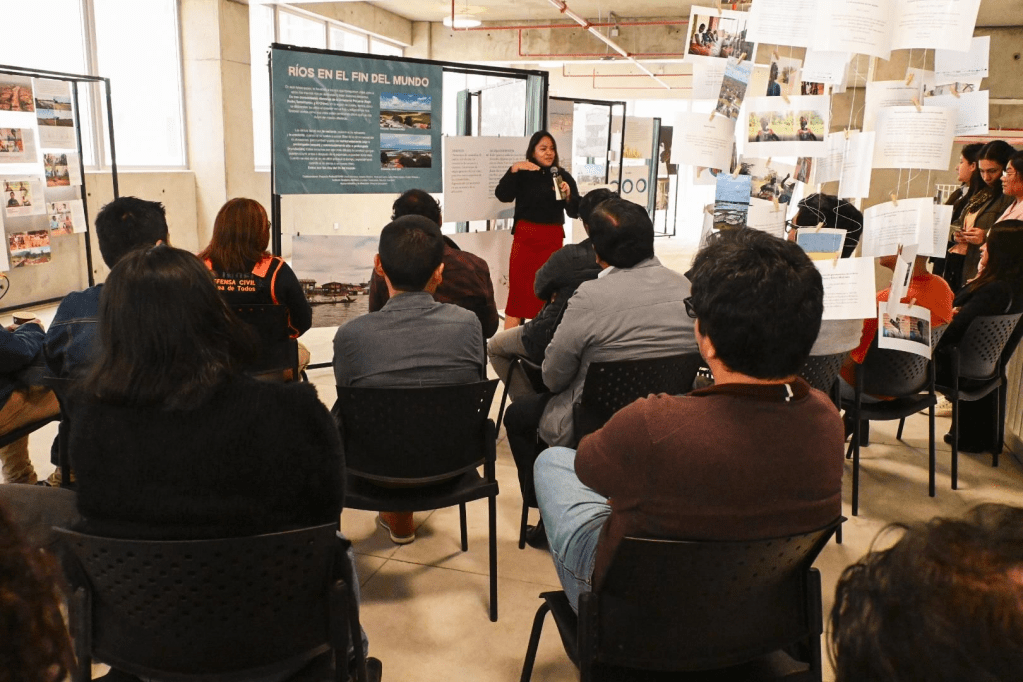
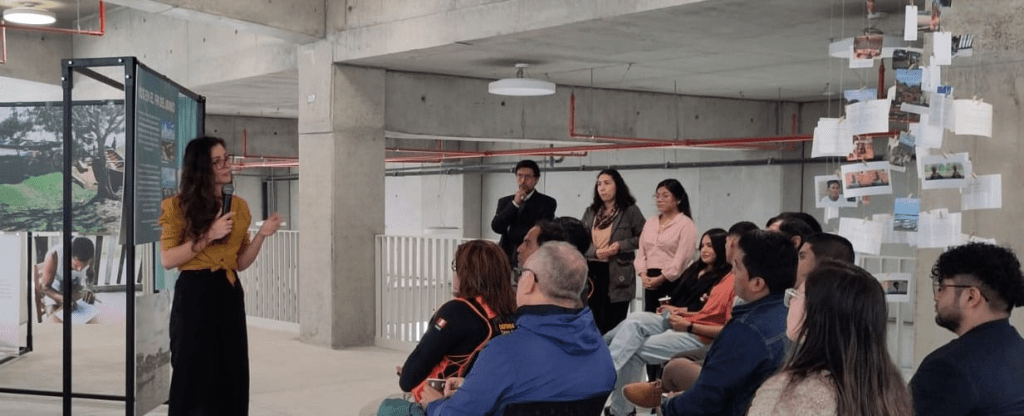
At the end of the event the participants visited our art-science exhibition, “𝘓𝘢 𝘮𝘢𝘭𝘦𝘵𝘢 𝘷𝘪𝘢𝘫𝘦𝘳𝘢”, where we transformed our fieldwork—photos, videos, poems, and stories—into interactive spaces to (re)imagine the Amazon River amidst increasing hydrological extremes.
——- 𝐑𝐢𝐯𝐞𝐫𝐬 𝐅𝐥𝐨𝐰, 𝐒𝐭𝐨𝐫𝐢𝐞𝐬 𝐓𝐫𝐚𝐯𝐞𝐥 ——–
The “𝘔𝘢𝘭𝘦𝘵𝘢 𝘝𝘪𝘢𝘫𝘦𝘳𝘢” (𝘛𝘳𝘢𝘷𝘦𝘭𝘭𝘪𝘯𝘨 𝘚𝘶𝘪𝘵𝘤𝘢𝘴𝘦) has landed in Lima, Perú!
The travelling suitcase exhibition was inaugurated in Lima on Tuesday 27 May. We were very happy to welcome so many participants from diverse backgrounds to experience the 𝘔𝘢𝘭𝘦𝘵𝘢 𝘝𝘪𝘢𝘫𝘦𝘳𝘢 in Lima.
With this interactive art exhibition curated by Heidi D. Mendoza and Milagros Iparraguirre with the help of CITA-UTEC, we are presenting our work from the Peruvian Amazon and Kitui, Kenya, as part of the PerfectSTORM project.
Through photos, videos, audios, hydrographs, poetry, and community stories, we explore the powerful connections between water science and local histories. Visitors are invited to engage with the exhibit, (re)imagining the Amazon River in a time of intensifying droughts and floods.
How do you imagine the future of the Amazon river and its communities?
We are very happy to invite you to our hybrid dialogue series in Lima, Peru –Sequías e Inundaciones en Perú: Conectando la ciencia del agua y las historias del territorio. The dialogue sessions will be on 28 and 29 May, 16:00-17:30 CET. You can register through this link.
This dialogue series is part of our research outreach where we gather stakeholders from different academic institutions, government ministries, and non-government organizations. By sharing research results and engaging in multi-stakeholder dialogues, we hope to inspire new collaborations among the stakeholders who can expand the work on exploring sociohydrological dynamics and hydro-social entanglements in different parts of the country.
This dialogue is also accompanied by an art-science exhibit,La maleta viajera, where we curated our fieldwork documentations (photos, videos, audios, and poems) and results to design interactive spaces for visitors to (re)imagine the Amazon river as droughts and floods become more frequent and extreme. You can check the exhibit teaser here.
If you have colleagues or friends who are in Lima this week, please share this invitation with them. Thank you!
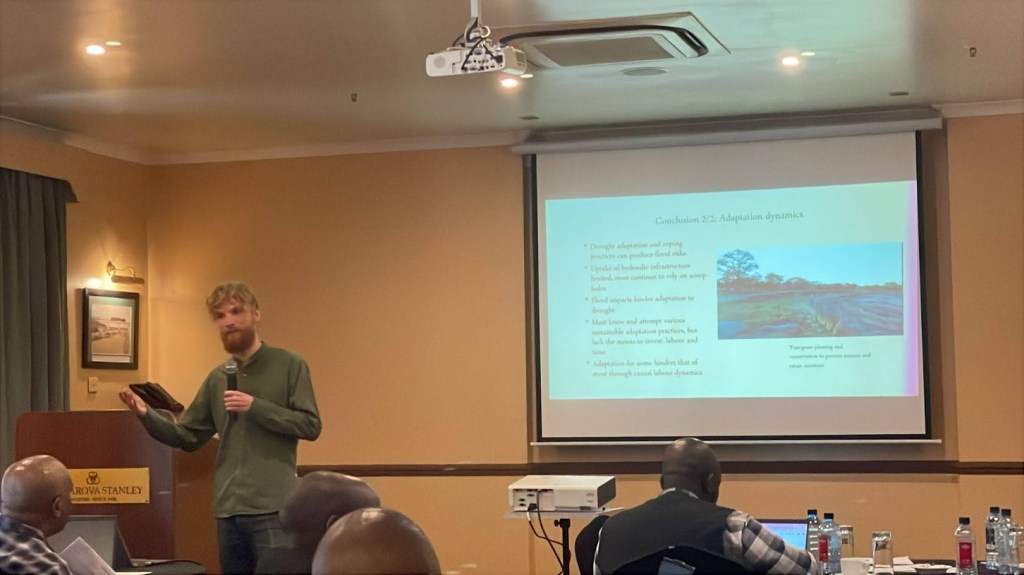
New paper out! 🌍 Our latest research dives into the lived experiences of droughts and floods in dryland Kenya. Based on four months of storytelling with hundreds of farmers, we reveal how drought has become the “new normal,” while floods grow more intense and destructive. When floods end droughts, they trigger ripple effects that shape the next drought—posing major challenges for adaptation. ⚡Read the full paper here! 🔗⬇️
From Kitui and Iquitos, we ask: How can we secure safe drinking water? by Heidi D. Mendoza
“What is the Kamba word for flood?” we asked our collaborators in Kitui, and they started discussing among themselves. They gave us several translations such as kutula kwa kiwu (breaking the banks of the river), muvingo (floods), and mbua mbingi (floods). They told us that they use different words for flood depending on how the event affects them.
When Ruben conducted his fieldwork in 2022, he was confronted with a question from community members, “What is a flood?” In a semi-arid landscape like Kitui where the communities’ day-to-day revolve around dryness, talking about floods can go in two distinct ways. Either people remember the flood events so vividly because it was a stark difference to their regular day, or people find it difficult to relate to the word.
I was confronted with a similar question when I did my fieldwork in 2023. While we were walking along the Itaya River, the community members asked us, “What is a drought?” As we continued to walk together, they asked us if droughts meant that the river was drier or had a lower water level for a prolonged period. They told us that they use different words or phrases to describe a drought, but they do not necessarily use the word drought. In contrast with Kitui, the Amazon is a landscape whose main feature is the river. The communities’ day-to-day revolve around the river and its irregularities. So, asking about droughts was also challenging, because the communities related with water differently.
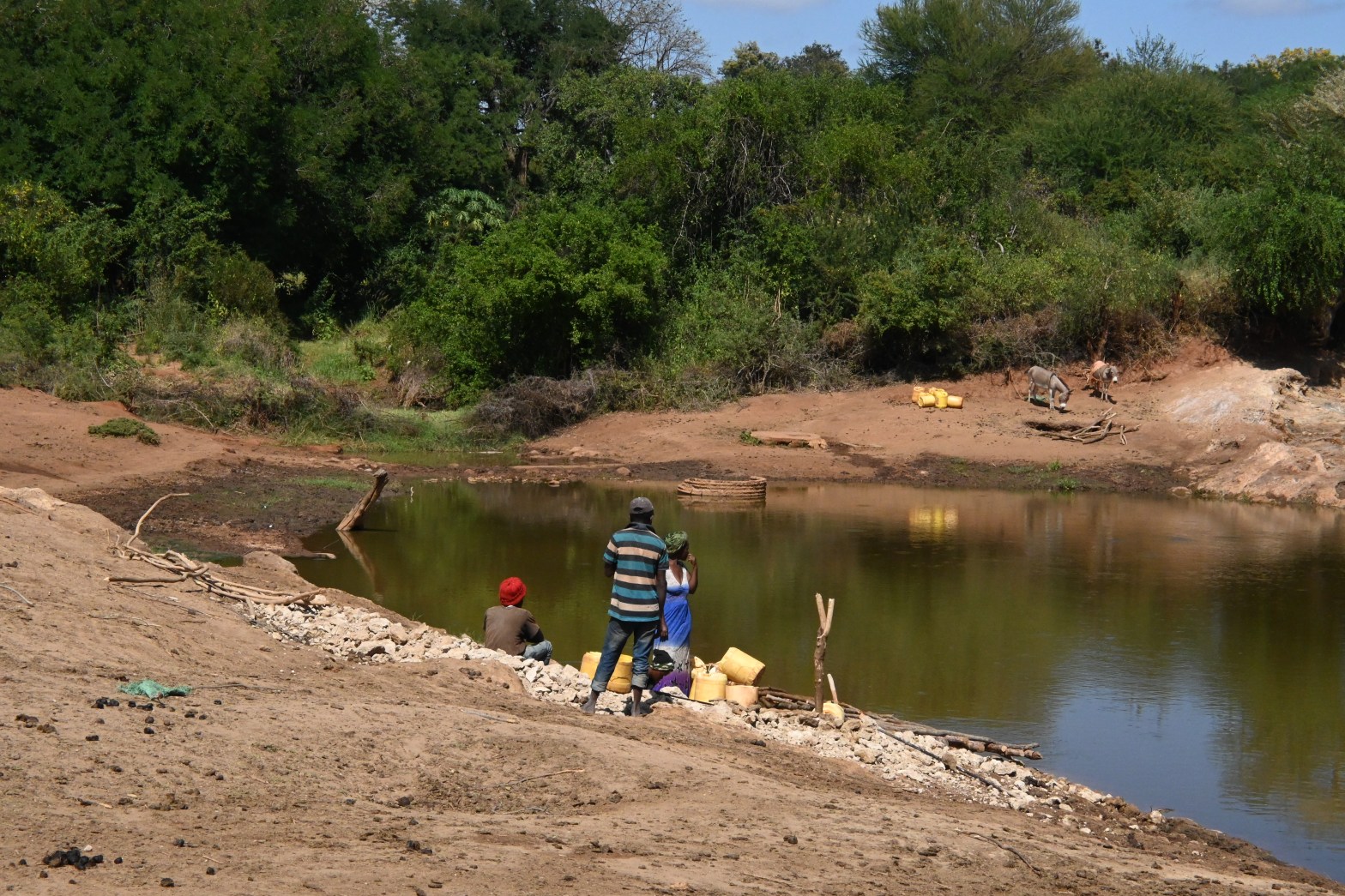
February 2025, in Mutomo, Kitui County, Kenya. Dry season, community members fetch water from scoop hole.
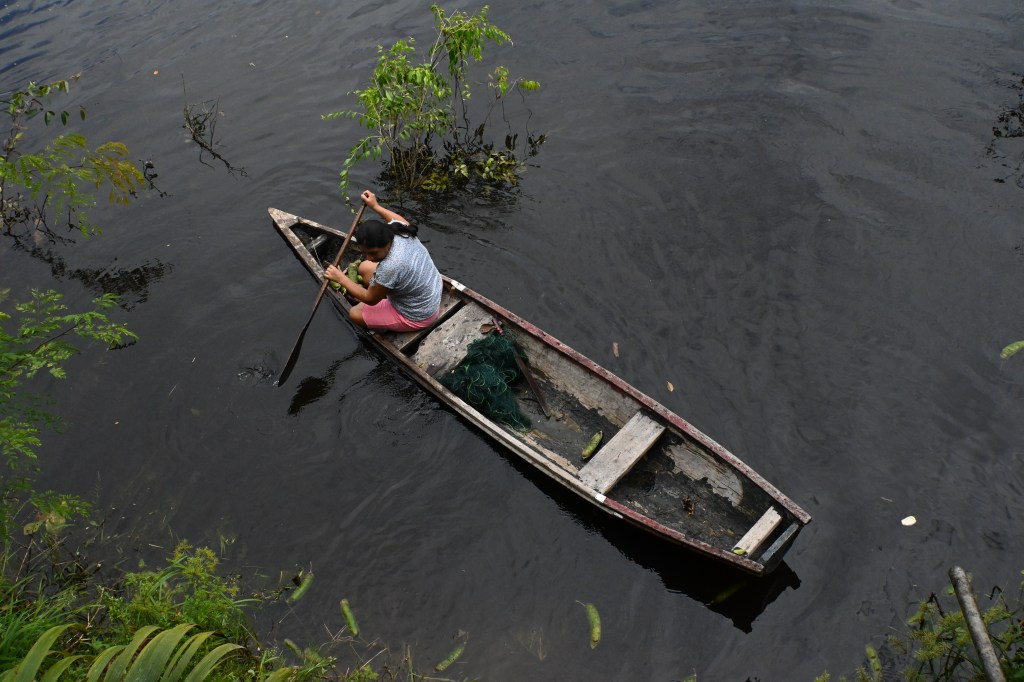
May 2024, in El Chino, Loreto Region, Peru. Wet season, community member harvesting from fruit trees along the riverbanks, and placing the harvest on her small boat.
Parallels and differences
While the two case study areas have different landscape features, communities face several similar problems – increasingly unpredictable seasons, and water insecurity. In the Peruvian Amazon, the river flows in dry and wet seasons; each season lasts for approximately 6 months. This seasonality has been changing over the years, and shape how communities experience droughts and floods (i.e., prolonged dry season when they are already anticipating wet season to start other activities).
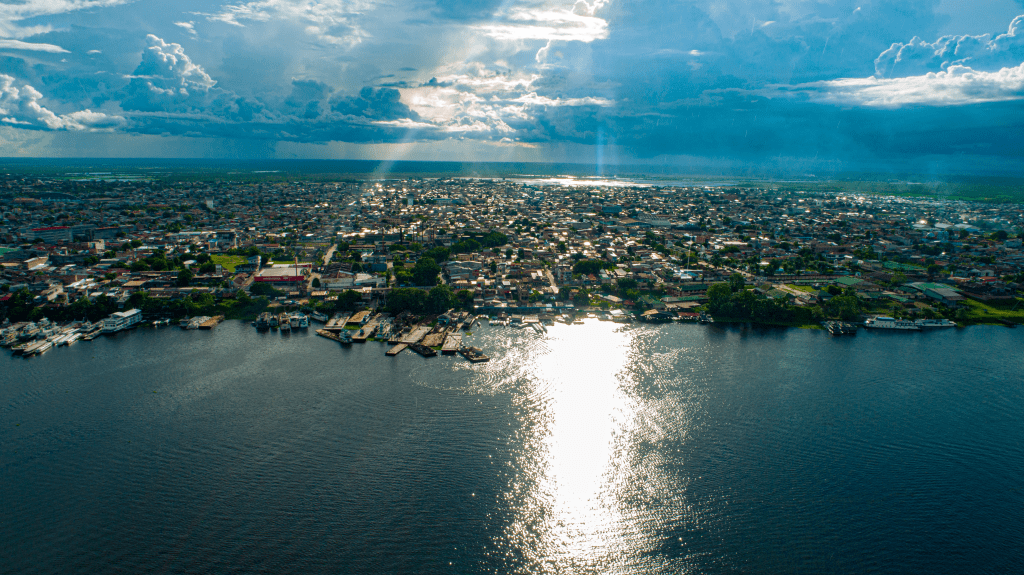
May 2023, Iquitos City, Peru. Wet season; a city surrounded by river systems; riverine communities along the river still struggle with securing safe, potable water. Photo credit: Geophysics Institute of Peru (IGP)
In late 2023 until early 2024, the Peruvian and Brazilian Amazon suffered from an extreme drought that impacted aquatic ecosystems, biodiversity, land vegetation and agricultural systems, fluvial transportation, water availability, and the general socio-economic welfare of communities dependent on the river[1],[2]. While the Amazon has had previous drought events, the intensity and timing of the 2023-2024 drought was unexpected, even for the scientific community.
On the other hand, in Kitui, communities mentioned that over the years, seasonality has become increasingly unpredictable. This has made it more difficult for them to cope, especially that their agricultural systems are highly dependent on timing and intensity of rains during the wet season.
Moreover, the communities in both case study areas also face water insecurity. They access water from different sources and for different purposes. In the Peruvian Amazon, the communities source their water from the river (when treated with chlorine tablets or treated by municipality, they can drink this water); rainwater (for washing clothes, cleaning the house, sometimes also for cooking); groundwater (for some communities, this resource is only available during the dry season); and bottled water that they buy from markets (for drinking).
In Kitui, communities access water through water kiosks that extract water from the river (for drinking) and through scoop-holes in the dry river bed (for drinking); groundwater (through boreholes, and they also use this for drinking); and rainwater (for cooking, washing clothes, and sometimes also for drinking).
We ended our fieldwork with a policy workshop with policymakers and technical representatives from different organizations in Nairobi (i.e., National Drought Management Authority (NDMA), IGAD Climate Prediction and Applications Centre (ICPAC), ministries, FAO, and University of Nairobi). I had the opportunity to present my research in Peru where I asked them, “Now, having seen a glimpse of the context in several communities in the Peruvian Amazon, which landscape do you think is easier to deal with?”
Each landscape presents different sets of challenges, especially when dealing with droughts and floods. It becomes more complex to manage and govern as governments and stakeholders consider different societal issues and cultural practices. So, I would like to rephrase the question I posed to the policymakers in Nairobi to somewhere along the lines of, “How can we make our landscapes more livable and more equitable?”
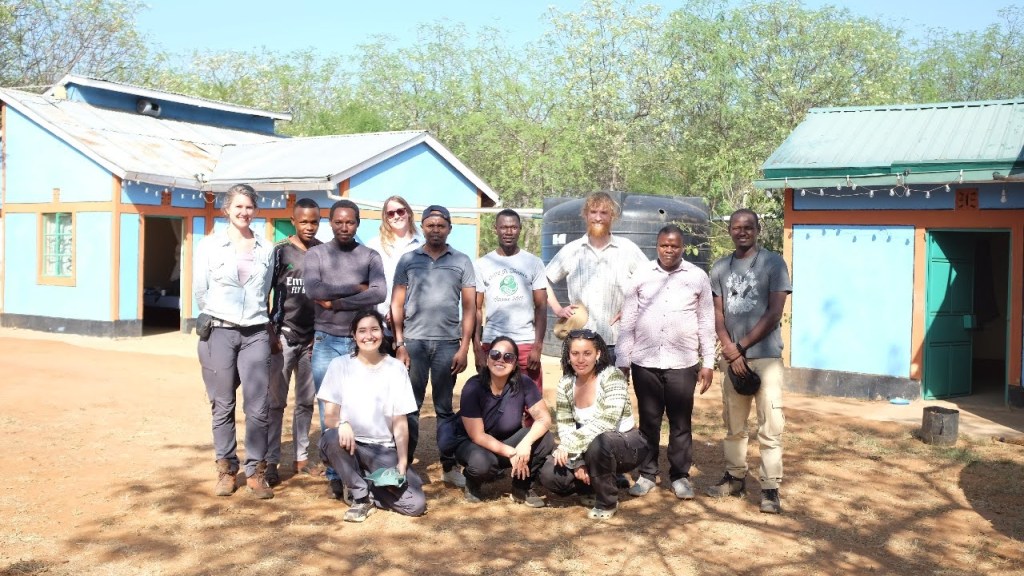
PerfectSTORM team (Dr Anne van Loon, Dr Marlies Barendrecht, Ruben Weesie, Danai Kontou, Heidi Mendoza, Dini Vermaat) with Africa Wood Grow team (Daniel Muvali, Victor Ochieng, Brian), Naaman Kilonzo (research assistant), and camera crew.
Kenya, February 2025. We finally returned to Kenya to have a great two weeks of workshops! We exchanged our research results on drought & floods in Kitui, and engaged in exciting futuring excercises with agro-pastoralists, scientists, NGOs, and policy makers.
First, we ventured back to the drylands of Kitui. Here, we discussed our research findings with the agro-pastoralists whom had shared their life experiences with droughts and floods two years earlier, during our first fieldwork. It was heartening to be welcomed back so warmly. Reconnecting with these incredible individuals who have been essential to our research was truly rewarding!
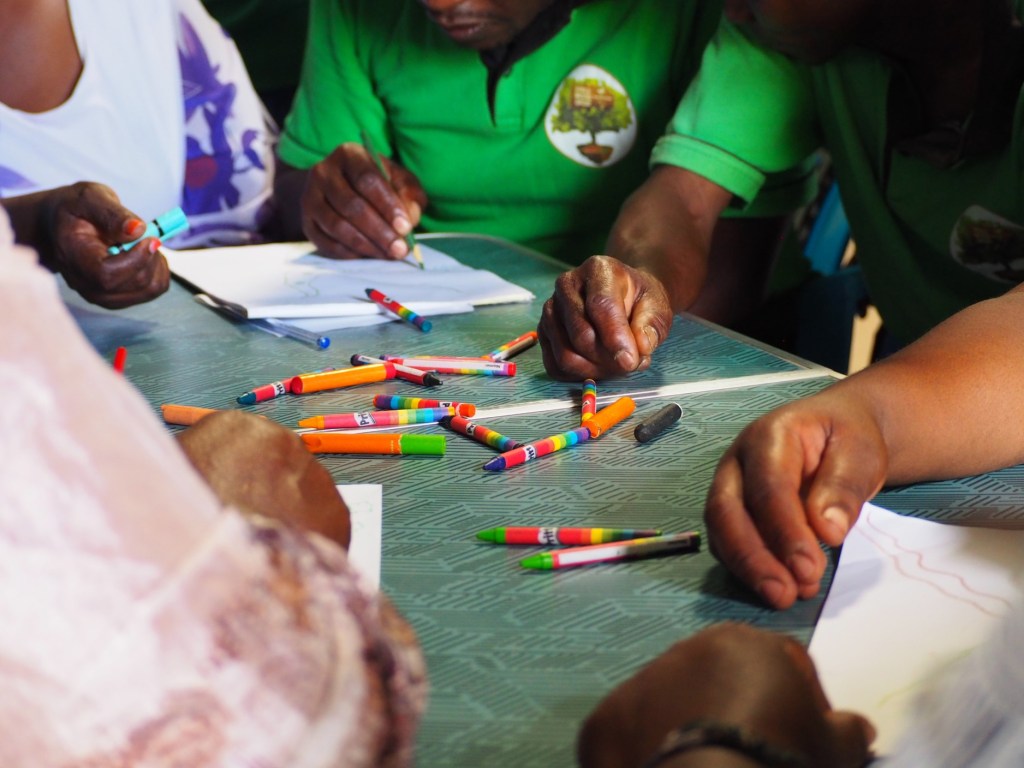
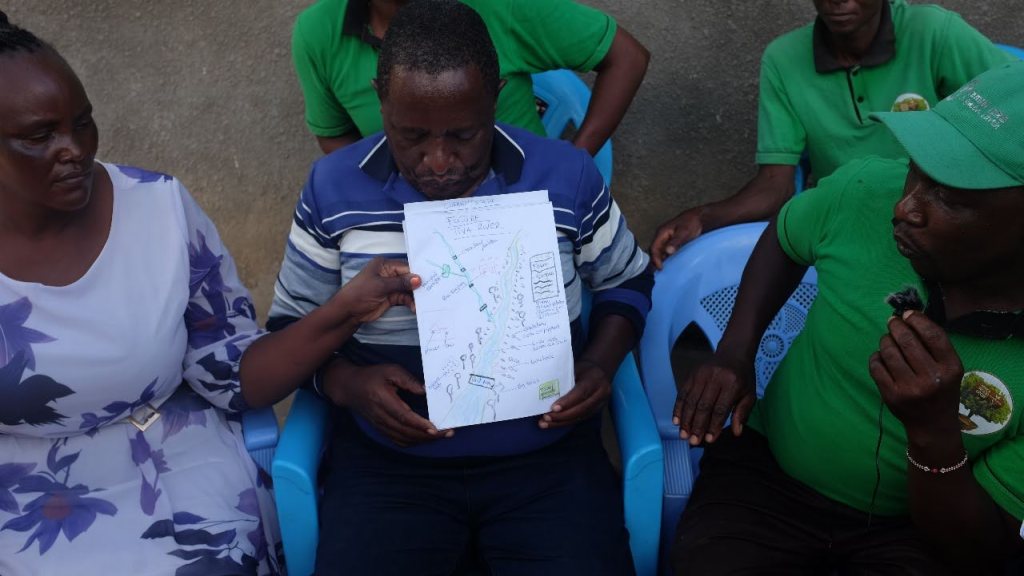
During the workshops, we moved from looking to past stories into the future. We conducted imaginative drawing excercises of future farms and rivers more resilient to droughts and floods. Once again, we learned a lot from the participants!
Participants drawing and presenting their current and future imaginaries of farms and rivers in the areas they live.
After two weeks in Kitui, we returned to Nairobi. Ruben presented his research findings in science and policy workshops in Kitui and Nairobi, and Marlies presented the complex socio-hydrological model on drought-flood interactions in the Tiva River basin.
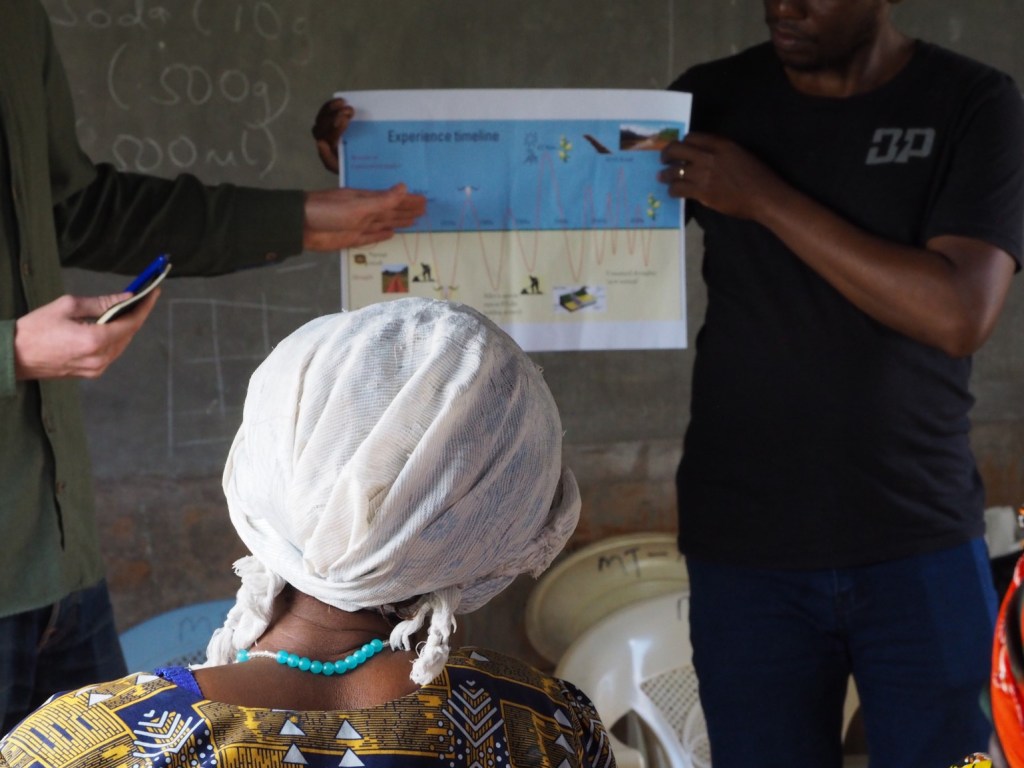
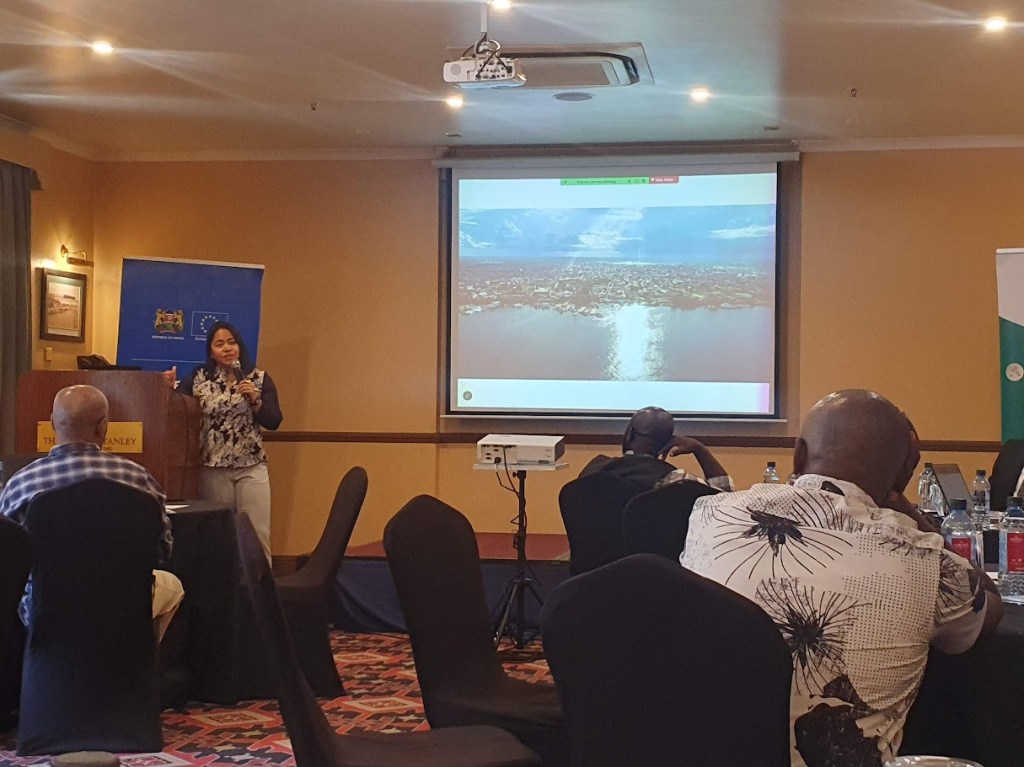
Finally, Heidi led a great interactive session in the policy workshop on drought & flood futures, which sparked much debate about the future among the Kenyan policy makers!
We would like to thank Southeast Kenya University (SEKU), Africa Wood Grow, and the National Drought Management Authority of Kenya for their great efforts in making the visit and workshops very worthwhile. We are looking forward to future collaborations!
December 2024 – Our project partners from UTEC – Universidad de Ingeniería y Tecnología, Lima visited IVM for two weeks in December. With Pedro Rau, Adriana Rojas Castro, and Andrés Fernando Figueroa Curo we were diving into drought in the Andes, exploring Adriana’s research on drought paradoxes in rural communities and Andres’ work on drought propagation in the Rimac basin. And of course we also did some nice social activities.
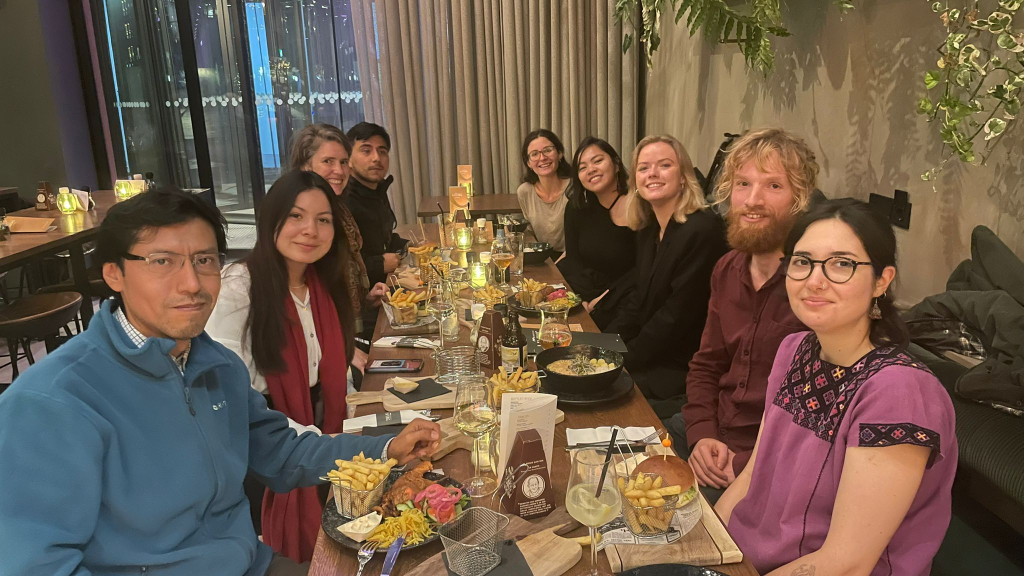
Project dinner with both teams (Lima & Amsterdam)
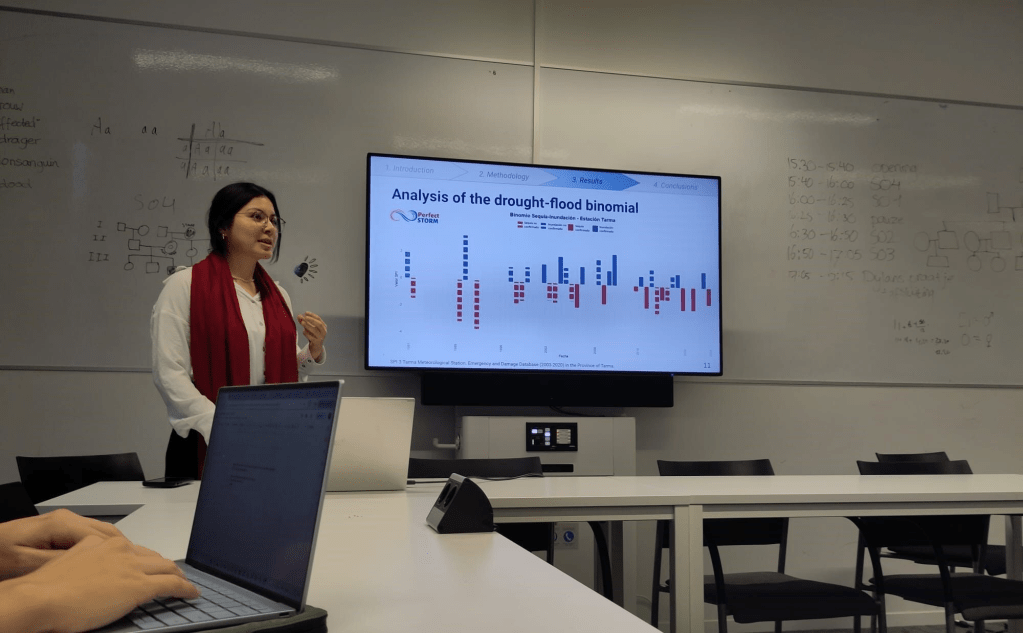
Adriana Rojas Castro presented her PerfectSTORM work in the Tarma province in Peru: How do droughts and floods affect communities in the Peruvian Andes? Using a mixed-method approach — combining hydro-meteorological data analysis with community surveys — Adriana showed us a few paradoxes on water scarcity in the region! More on her work will come soon!
Adriana presenting her research
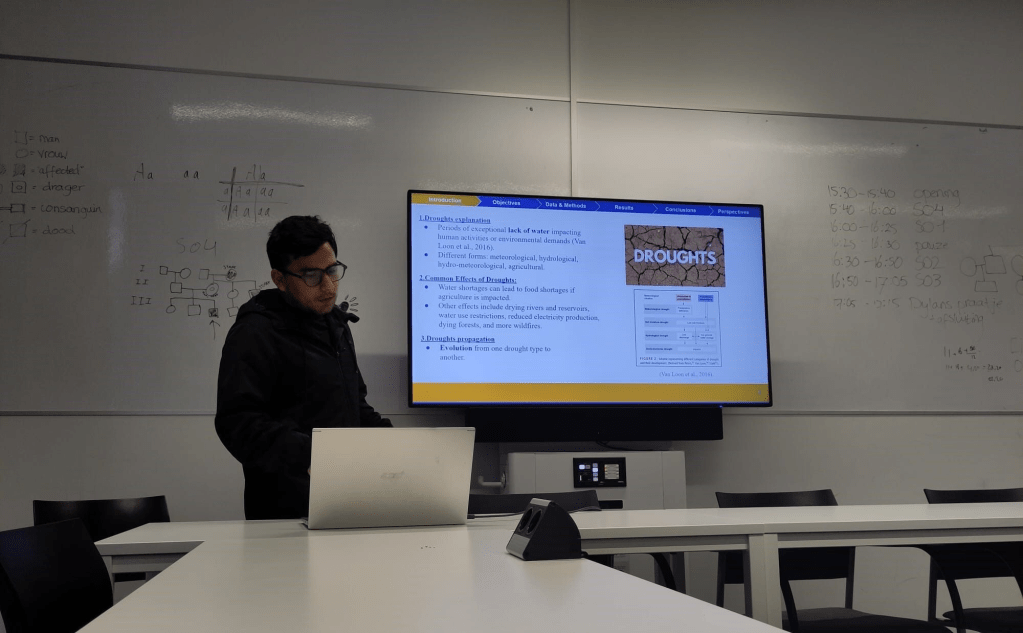
Also Andrés Fernando Figueroa Curo presented his research on: How do reservoirs influence drought propagation in the Rimac basin? Within the PerfectSTORM project, he investigates the role of complex reservoir systems in the Rimac basin, the primary water source for Lima, the world’s second-largest desert city. The first results suggest that large reservoirs can help mitigate drought propagation, while smaller reservoirs may have the opposite effect.
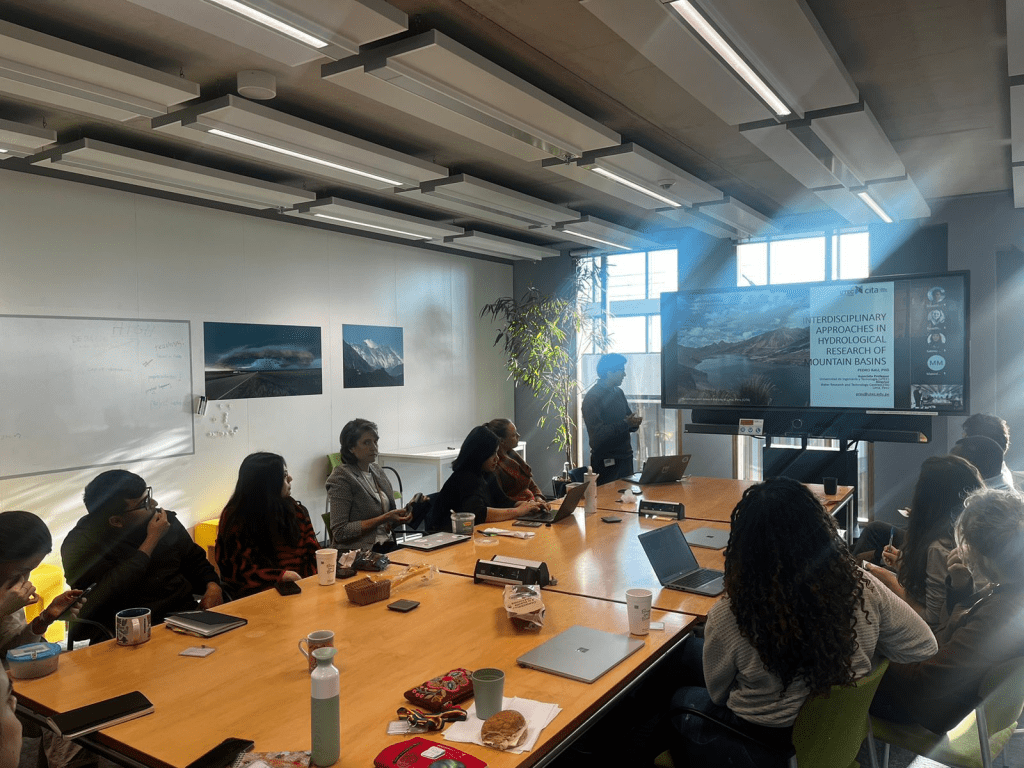
Pedro’s work in mountain hydrology explores several topics, including the role of wetlands in buffering dry conditions, the development of automatic water level sensors, and bridging hydrology with society. By linking the analysis of hydrological processes with the study of how drought impacts communities, his research highlights the rapid climate- and human-driven changes unfolding in the Andes.
A heartfelt THANKS to the UTEC team for their visit and the exchange of ideas! We’re excited to continue this collaboration and look forward to all the research ahead as we work together to better understand drought in the Andes!
June 2024: Over two intense weeks of fieldwork, we travelled with our amazing research assistants, Elsa Izaguirre and Bruno Gonzalo, and the UTEC research team, from the humid Amazon lowlands to the towering Andes. Tracing the rivers in reverse, we passed through diverse landscapes: from lush floodplains to high-altitude valleys, gathering stories of drought and floods and learning how shifting water patterns are transforming lives across these regions.
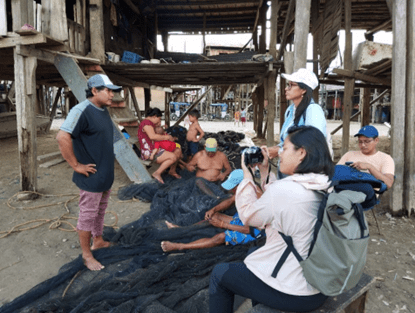
Bajo Belen – Heidi Mendoza and Elsa Izaguirre interviewing a group of fishermen
Bajo Belén – The water level of the Itaya River is rapidly receding, exposing piles of garbage now encircled by mud.
Water level in the river Amazon at the Tamshiyacu station (date 14-o6-2024) compared to previous years
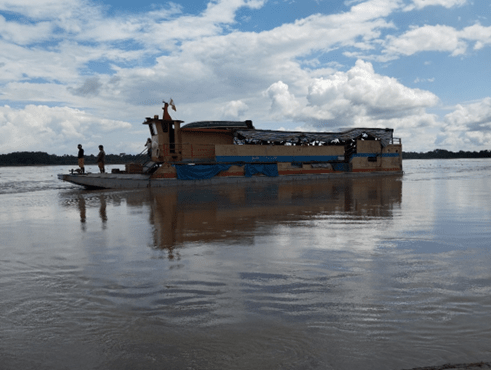
Transportation through boat on the river Amazon close to Tamshiyacu
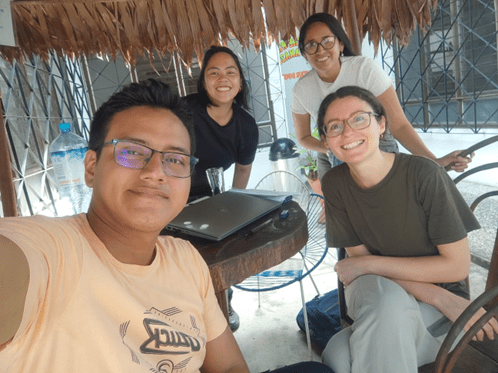
PerfectSTORM team – from the left to the right: Bruno Gonzalo, Heidi Mendoza, ElsaIzaguirre, Alessia Matanó
This year, water levels have been erratic, with below-normal conditions during the Creciente and an earlier Vaciante, marked by a faster-than-usual drop in water levels. Drought, once a distant reality, seemed become an urgent challenge, threatening fishing, transportation, and public health.
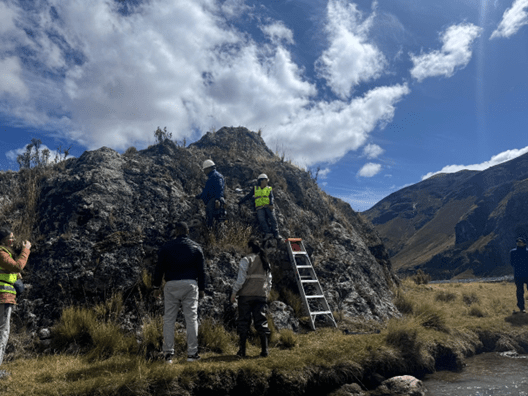
From the Amazon, we climbed to the Andes, visiting Yuracmayo at an altitude of 4,000 meters. Here, the conversation shifted to: water quality and quantity, under strain from mining activities and intense drought events. And then back to hydrology work: measuring water flow with a propeller, electroconductivity of the water and then installing sensors for water level.
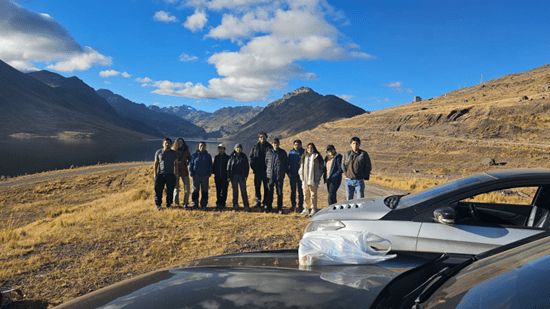
Group photo of PerfectSTORM and UTEC researchers at the Yuracmayo reservoir
Installation of a water level sensor to monitor inflow into the Yuracmayo reservoir
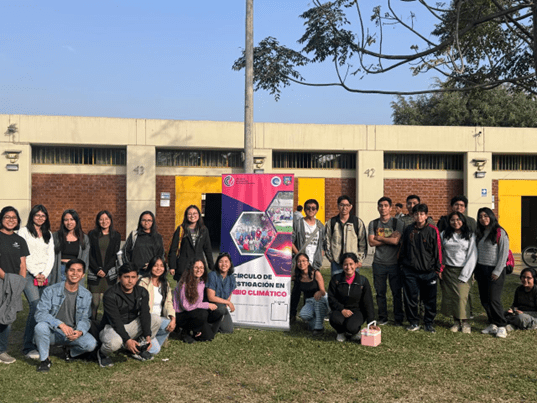
Finally, we wrapped up our visit by exchanging presentations at UNALM with the climate change group and at UTEC, where we shared our findings and discussed opportunities for future collaboration.
Climate change student circulo at the Universidad Nacional Agraria La Molina (UNALM)
From the Amazon’s humid floodplains to the dry Andean peaks, this fieldwork reminded us of the deep connection between water and the lives it shapes. Each community we visited faces unique challenges, but their resilience and stories highlight the importance of understanding and protecting these vital water systems.
From April 14 to 19, 2024, the General Assembly of the European Geosciences Union (EGU) took place in Vienna, Austria. Anne Van Loon, Marlies Barendrecht, and Alessia Matano represented the PerfectSTORM research group, presenting their work on the complex relationships between drought and flooding.
On the Drought-Flood Conundrum: Do Droughts Cause More or Less Flooding?
Anne gave a keynote presentation exploring whether drought leads to more or less flooding. This conundrum is rooted in two contrasting hydrological theories:
Subsurface Hydrology: Studies suggest that dry prior conditions result in greater storage capacity in the soil, reducing flood peaks.
Surface Hydrology: Studies claim that dry, hydrophobic soils reduce infiltration and increase surface runoff, leading to higher flood peaks.
Anne’s presentation, based on scientific literature, global data, qualitative case studies, and media reports, explored these opposing views. She highlighted the importance of integrating hydrological processes with meteorological and anthropogenic aspects to fully understand the dynamics of drought-flood events. The presentation was based on the paper by Marlies and the PerfectSTORM team, published earlier this year (Barendrecht et al., 2024, WIRES Water, Exploring drought-to-flood interactions and dynamics: A global case review; https://wires.onlinelibrary.wiley.com/doi/full/10.1002/wat2.1726), and ongoing work of Alessia, Ruben and Heidi.
Investigating Human-Water Dynamics Leading to Increased Drought and Flood Risk in Kitui, Kenya
Marlies presented research on Kitui County, Kenya, a region plagued by severe drought and periodic flooding. This research focused on understanding the interplay between climatic and human factors that cause drought and flood risks.
She presented the ongoing development of a system dynamics model that takes into account human adaptation to drought and floods. With the model we investigate how changing environmental conditions and the adaptation and coping responses influence water and food security. The model may be used to provide further insights into potential policies and measures to mitigate future risks.
Drought Influences on Hydrological Regimes
Alessia presented an analysis of how persistent drought conditions impact catchment responses to precipitation. The study used an extensive dataset comprising observations and remote sensing data of streamflow, precipitation, soil moisture, and total water storage from 5590 catchments worldwide.
Through multivariate statistical analysis and step-change analyses fluctuations and abrupt shifts in the precipitation-streamflow relationship during and after drought periods were detected and the influence of drought type and severity on these changes was investigated.
The study revealed that drought conditions lead to significantly lower streamflow than expected during and up to one year after the drought conditions, while only vegetation anomalies result in general to an increase of streamflow. This is more pronounced in arid, warm-temperate, and equatorial regions, whereas snow regions exhibit greater resilience. Identified shifts in the precipitation-streamflow relationship showed both increase and decrease in streamflow sensitivity to precipitation. These step changes align with periods of severe drought, that propagate through the hydrological system and persist over years for positive steps.
The study shed light on the importance of considering regional characteristics in predicting dynamic catchment response to precipitation under and after persistent drought conditions.
Conclusion
PerfectSTORM’s contributions at the EGU Conference 2024 offered insights into the complex dynamics between drought and flooding. The presented research highlighted the importance of integrating hydrological, meteorological, and human factors to develop strategies for managing water risks in a changing climate. These findings provide contributions for policymakers, further research, and practitioners working on sustainable water management solutions.










 PerfectSTORM