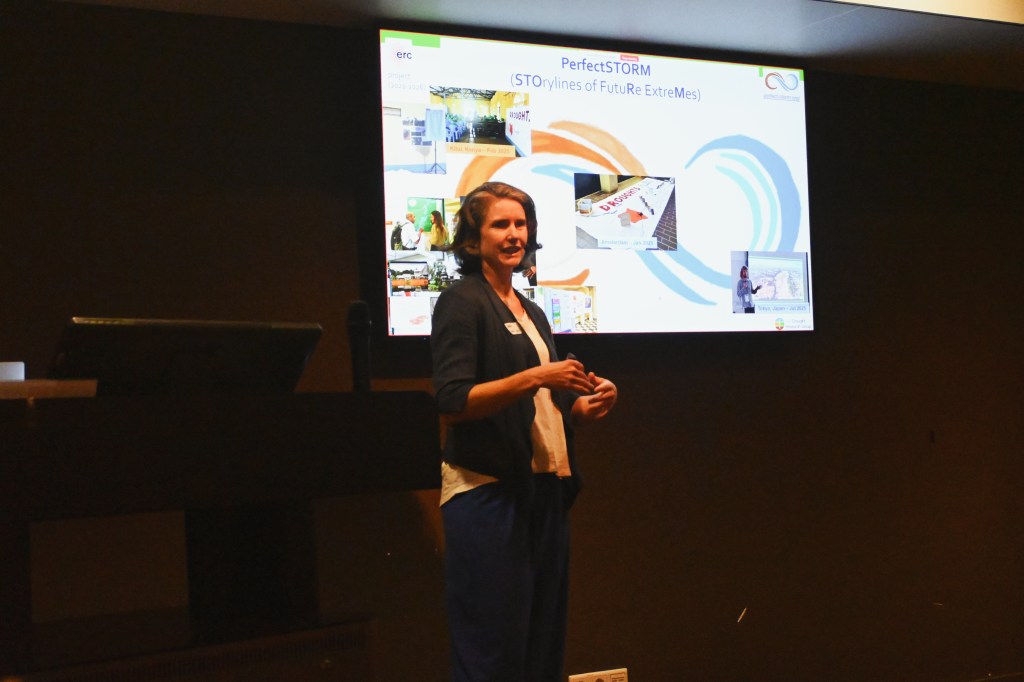
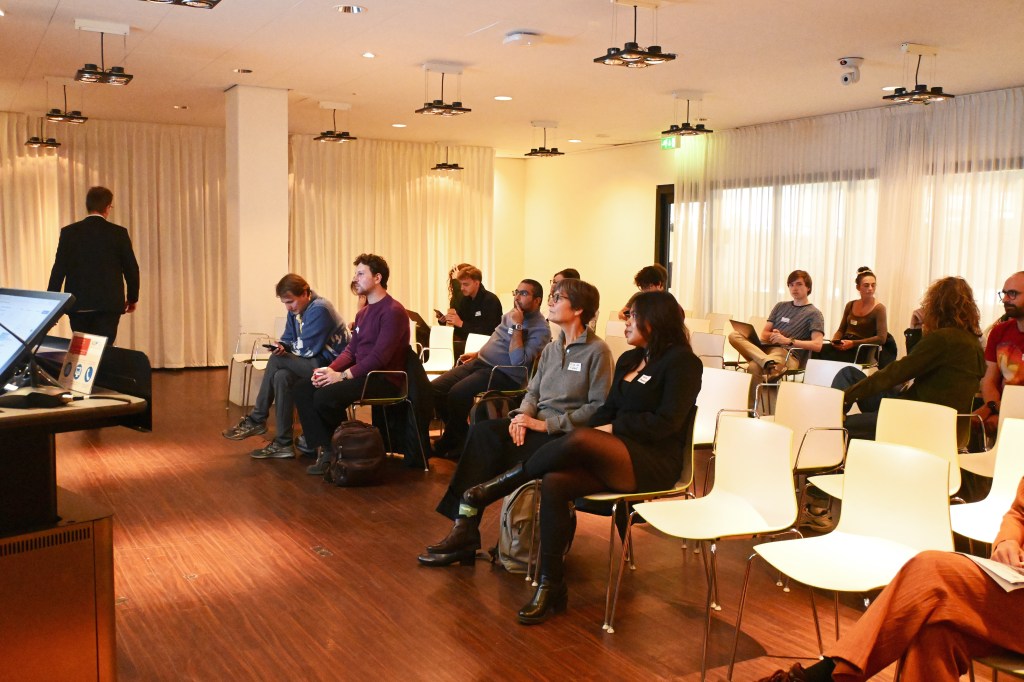
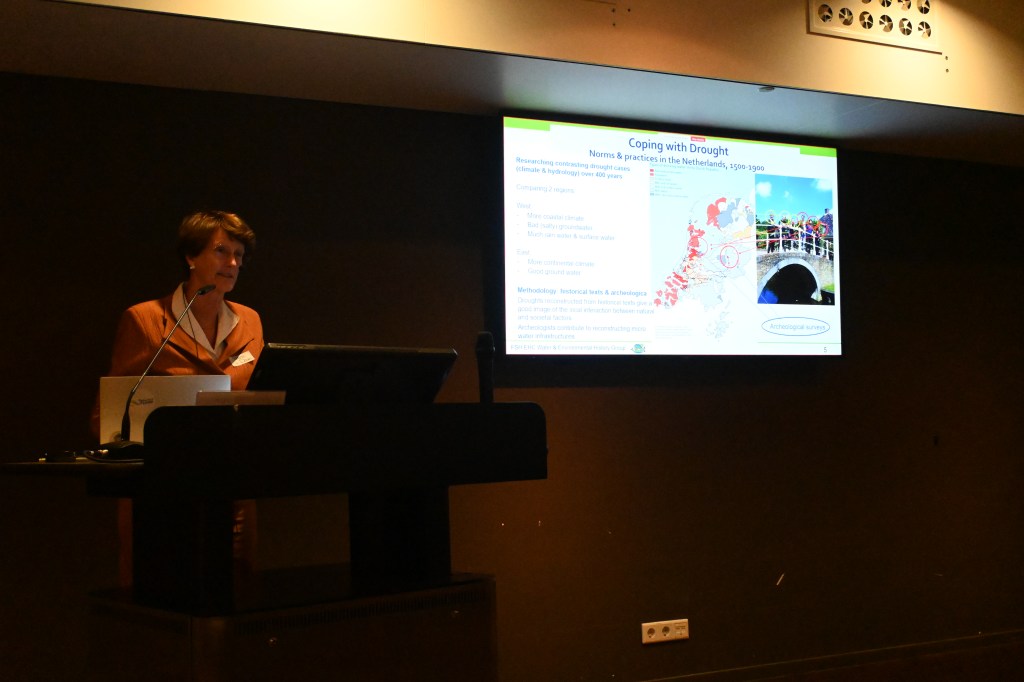
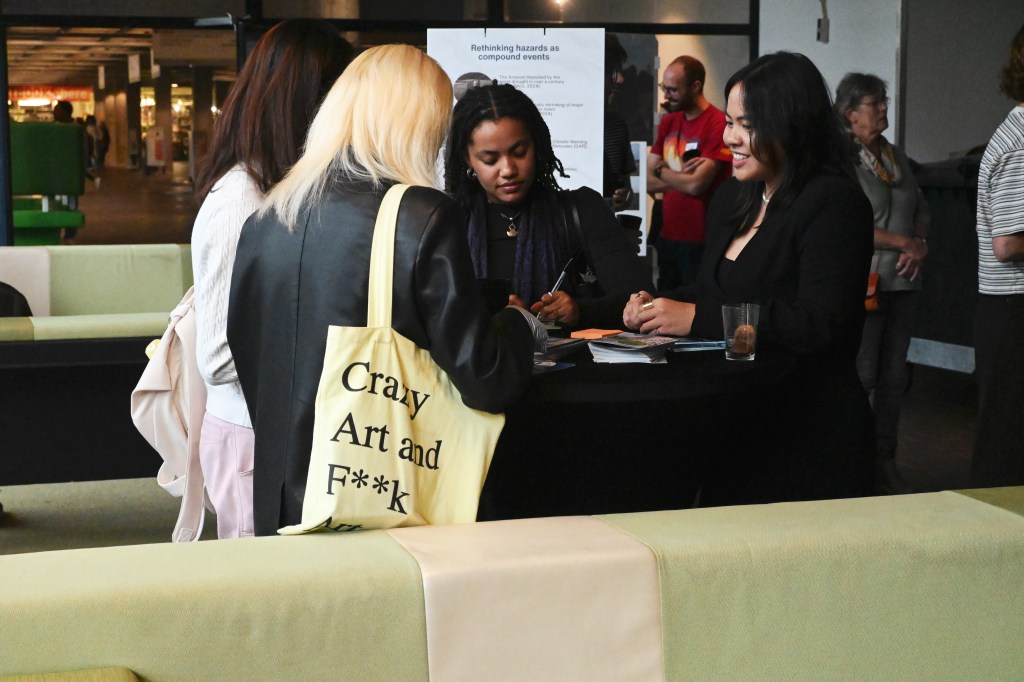
On 30 September, VU Amsterdam – PerfectSTORM and Coping with Drought research groups hosted a symposium that sparked rich conversations on how societies have lived with, understand, and respond to drought.
Plenary talks explored environmental injustices surrounding water access and use during droughts, as well as the historical dimensions shaping how we perceive and manage scarcity. Case studies from the Peruvian Amazon, Kitui County (Kenya), and the Netherlands highlighted both the diversity and interconnectedness of drought experiences across different contexts and cultures.
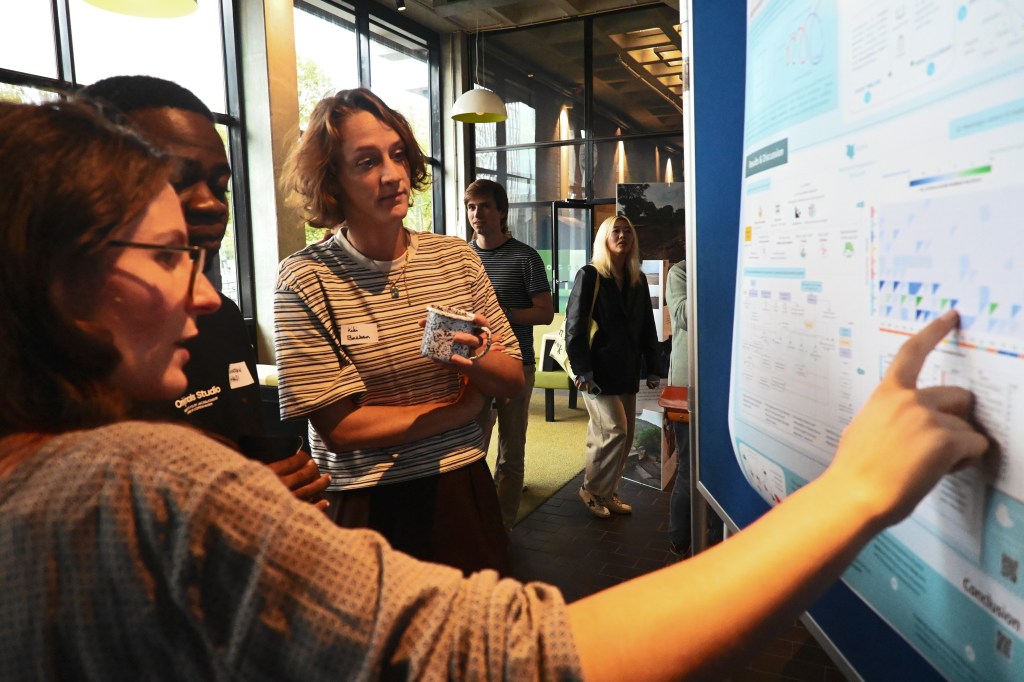
In addition to the plenary sessions, 10 poster presentations offered fresh perspectives on water sources, uses, and governance—revealing the many faces of drought. Topics ranged from early modern Amsterdam’s water geographies, to groundwater drought analysis in Italy, risk perception in Madagascar, soil fertility and water management, institutional innovation for sustainable water transitions and many more. Together, they illustrated the breadth of research and creativity shaping this field.
We were delighted to welcome participants and presenters from across the Netherlands, Belgium, and Germany.
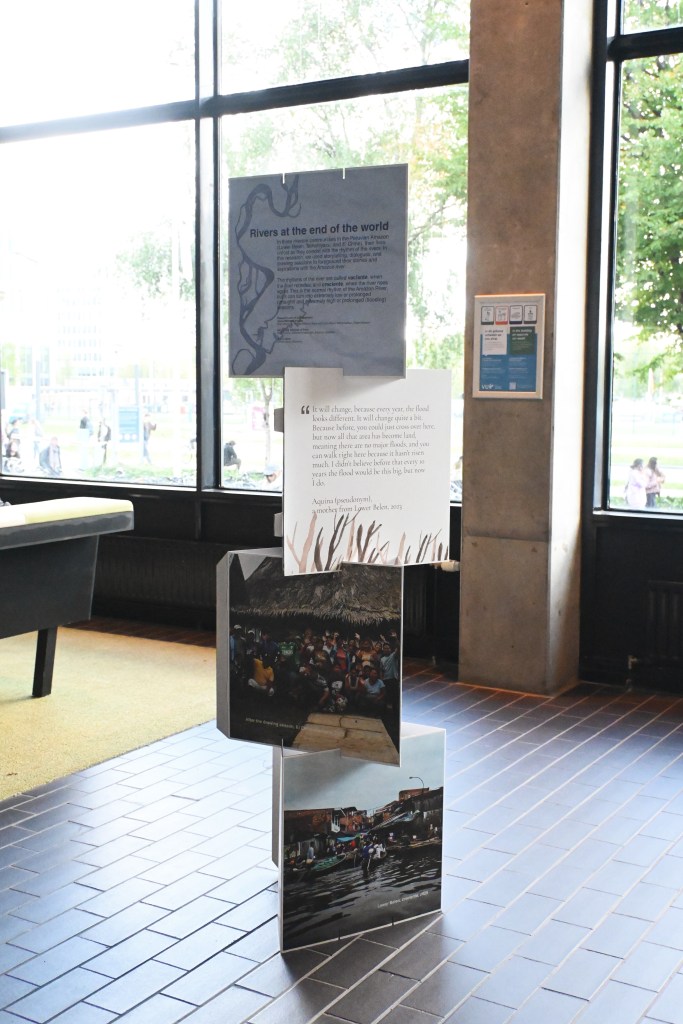
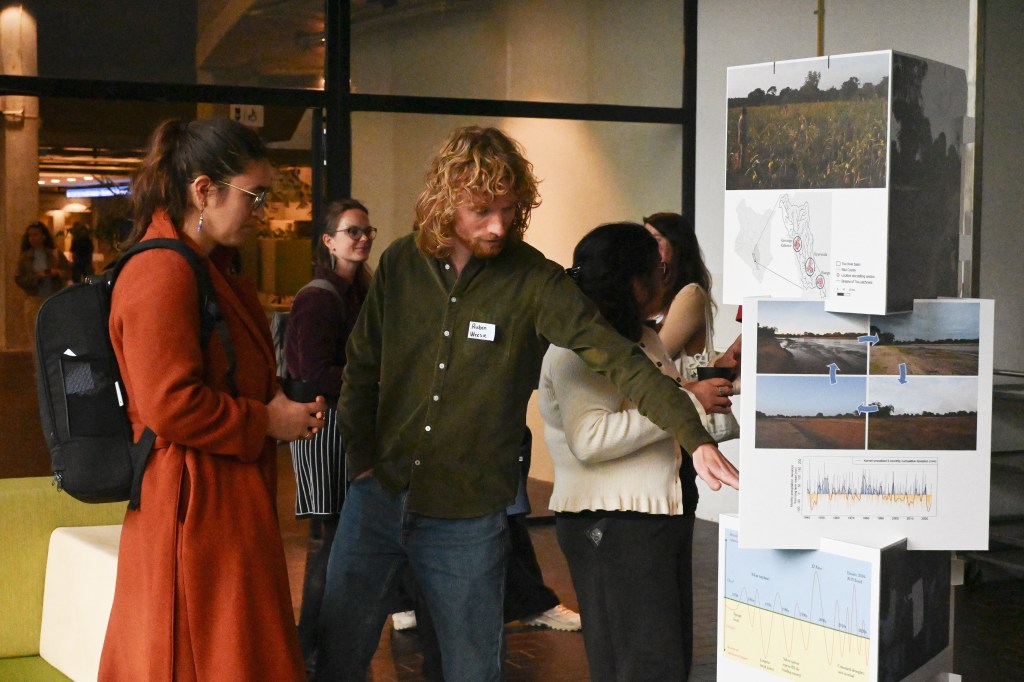
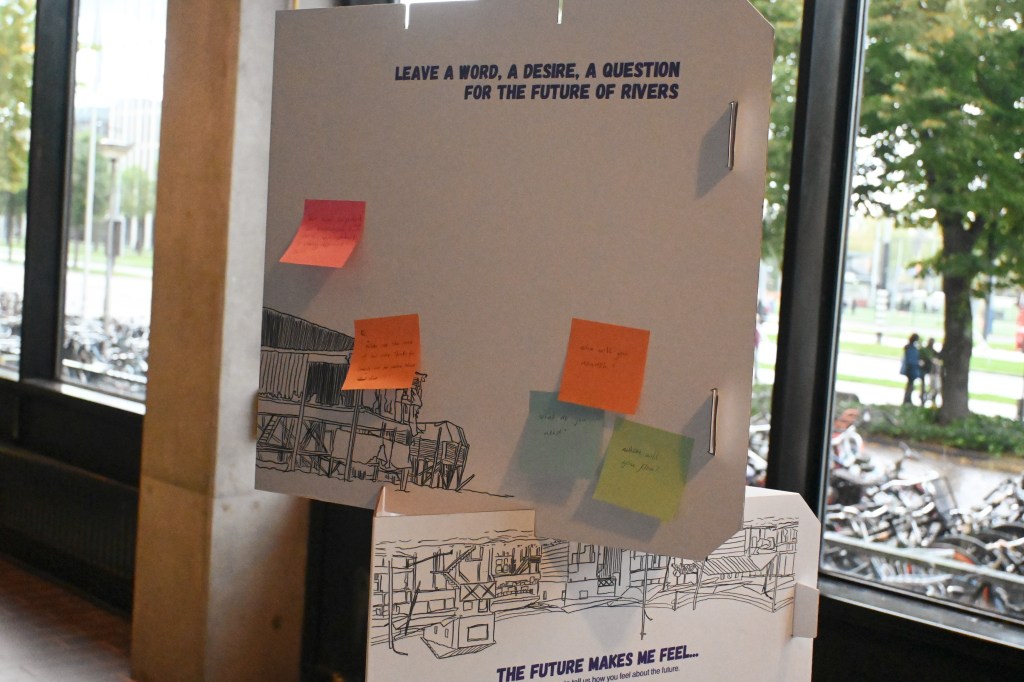
As part of PerfectSTORM’s art–science communication approach, PhD researchers Ruben Weesie, Heidi D. Mendoza, and Alessia Matano opened the exhibition “Rivers, unruly rivers of sand at the end of the world.” The exhibit invites visitors to reflect on their relationship with water and the future, through photography, stories, system dynamics visuals, and an interactive futures corner.
Learn more about the projects: PerfectSTORM Linkedin and Coping with Drought (copingwithdrought.com).
Led by Anne van Loon (IVM) and Petra van Dam (History Department), these initiatives continue to bridge science, history, and society in understanding water extremes.
 PerfectSTORM