From Kitui and Iquitos, we ask: How can we secure safe drinking water?
by Heidi D. Mendoza
“What is the Kamba word for flood?” we asked our collaborators in Kitui, and they started discussing among themselves. They gave us several translations such as kutula kwa kiwu (breaking the banks of the river), muvingo (floods), and mbua mbingi (floods). They told us that they use different words for flood depending on how the event affects them.
When Ruben conducted his fieldwork in 2022, he was confronted with a question from community members, “What is a flood?” In a semi-arid landscape like Kitui where the communities’ day-to-day revolve around dryness, talking about floods can go in two distinct ways. Either people remember the flood events so vividly because it was a stark difference to their regular day, or people find it difficult to relate to the word.
I was confronted with a similar question when I did my fieldwork in 2023. While we were walking along the Itaya River, the community members asked us, “What is a drought?” As we continued to walk together, they asked us if droughts meant that the river was drier or had a lower water level for a prolonged period. They told us that they use different words or phrases to describe a drought, but they do not necessarily use the word drought. In contrast with Kitui, the Amazon is a landscape whose main feature is the river. The communities’ day-to-day revolve around the river and its irregularities. So, asking about droughts was also challenging, because the communities related with water differently.
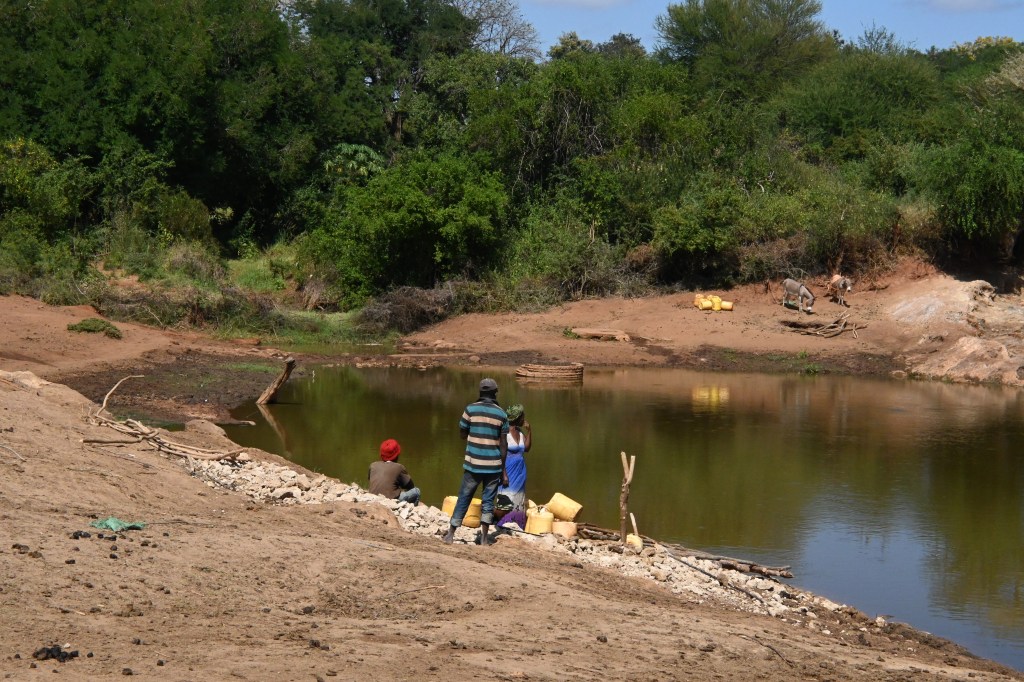
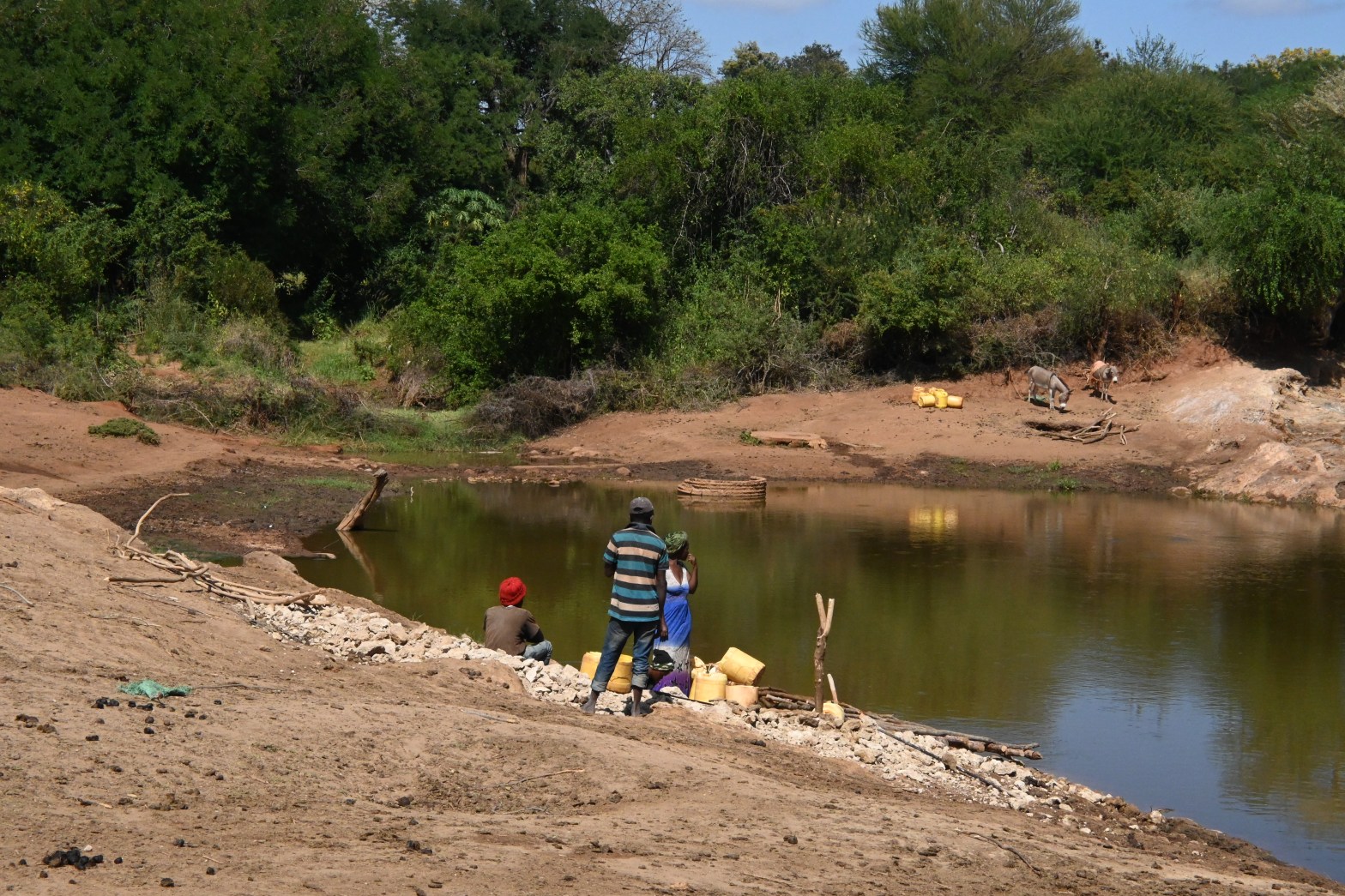
February 2025, in Mutomo, Kitui County, Kenya. Dry season, community members fetch water from scoop hole.
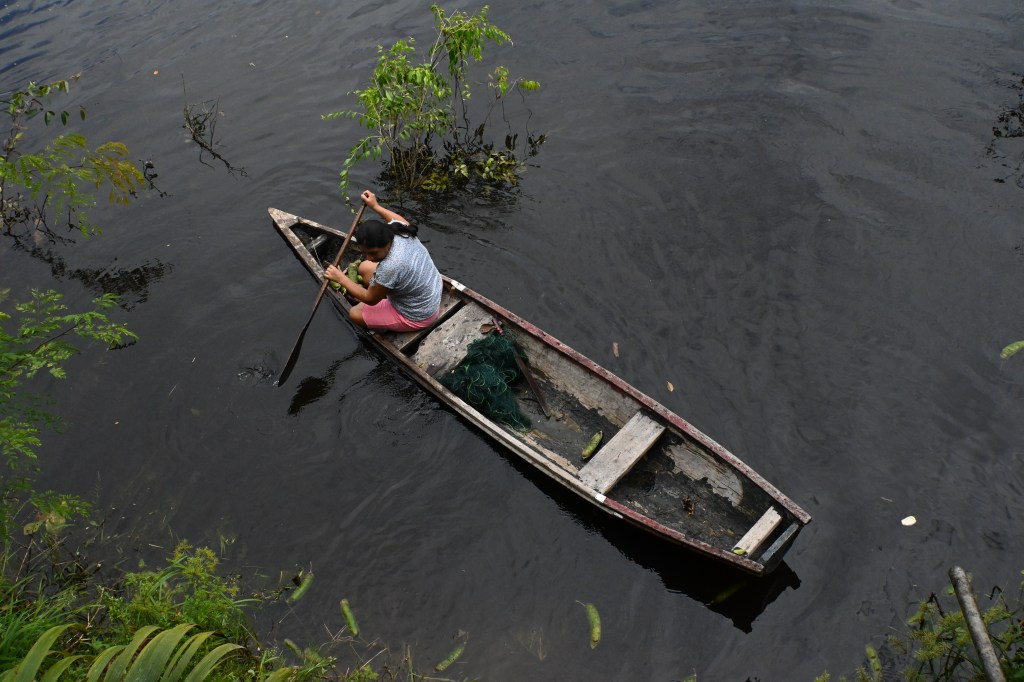
May 2024, in El Chino, Loreto Region, Peru. Wet season, community member harvesting from fruit trees along the riverbanks, and placing the harvest on her small boat.
Parallels and differences
While the two case study areas have different landscape features, communities face several similar problems – increasingly unpredictable seasons, and water insecurity. In the Peruvian Amazon, the river flows in dry and wet seasons; each season lasts for approximately 6 months. This seasonality has been changing over the years, and shape how communities experience droughts and floods (i.e., prolonged dry season when they are already anticipating wet season to start other activities).
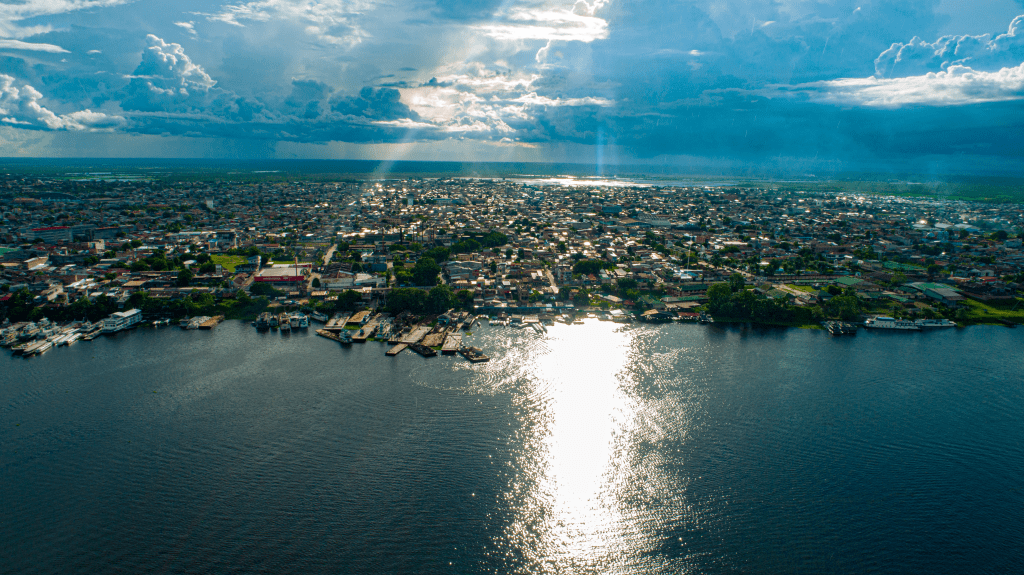
May 2023, Iquitos City, Peru. Wet season; a city surrounded by river systems; riverine communities along the river still struggle with securing safe, potable water. Photo credit: Geophysics Institute of Peru (IGP)
In late 2023 until early 2024, the Peruvian and Brazilian Amazon suffered from an extreme drought that impacted aquatic ecosystems, biodiversity, land vegetation and agricultural systems, fluvial transportation, water availability, and the general socio-economic welfare of communities dependent on the river[1],[2]. While the Amazon has had previous drought events, the intensity and timing of the 2023-2024 drought was unexpected, even for the scientific community.
On the other hand, in Kitui, communities mentioned that over the years, seasonality has become increasingly unpredictable. This has made it more difficult for them to cope, especially that their agricultural systems are highly dependent on timing and intensity of rains during the wet season.
Moreover, the communities in both case study areas also face water insecurity. They access water from different sources and for different purposes. In the Peruvian Amazon, the communities source their water from the river (when treated with chlorine tablets or treated by municipality, they can drink this water); rainwater (for washing clothes, cleaning the house, sometimes also for cooking); groundwater (for some communities, this resource is only available during the dry season); and bottled water that they buy from markets (for drinking).
In Kitui, communities access water through water kiosks that extract water from the river (for drinking) and through scoop-holes in the dry river bed (for drinking); groundwater (through boreholes, and they also use this for drinking); and rainwater (for cooking, washing clothes, and sometimes also for drinking).
We ended our fieldwork with a policy workshop with policymakers and technical representatives from different organizations in Nairobi (i.e., National Drought Management Authority (NDMA), IGAD Climate Prediction and Applications Centre (ICPAC), ministries, FAO, and University of Nairobi). I had the opportunity to present my research in Peru where I asked them, “Now, having seen a glimpse of the context in several communities in the Peruvian Amazon, which landscape do you think is easier to deal with?”
Each landscape presents different sets of challenges, especially when dealing with droughts and floods. It becomes more complex to manage and govern as governments and stakeholders consider different societal issues and cultural practices. So, I would like to rephrase the question I posed to the policymakers in Nairobi to somewhere along the lines of, “How can we make our landscapes more livable and more equitable?”
[2] https://es.mongabay.com/2023/10/sequia-amazonia-corta-transito-fluvial-comunidades-sin-provisiones/
 PerfectSTORM